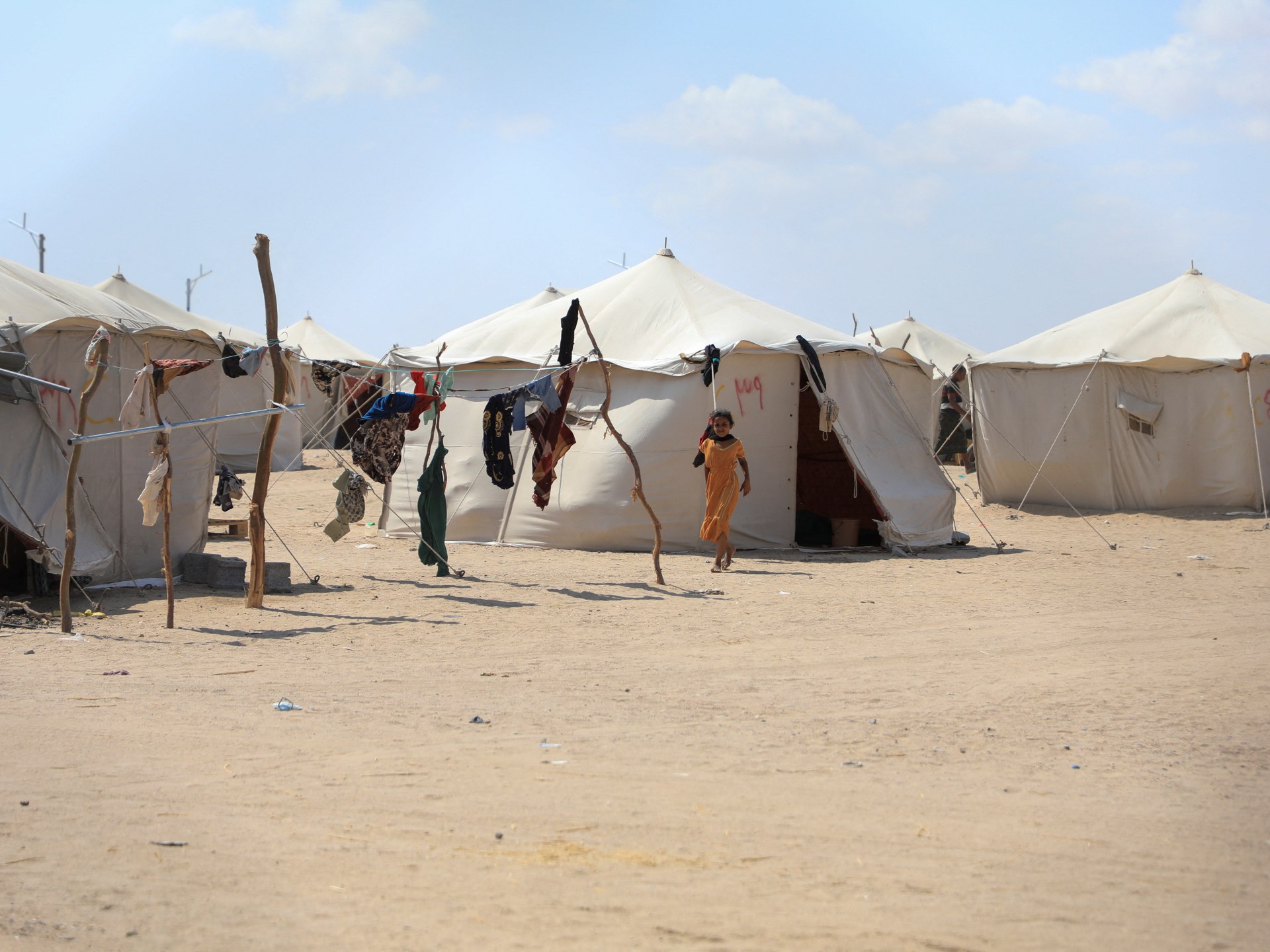
More than 250,000 displaced in Yemen since fighting escalated: UNHCR
 20 October 2026
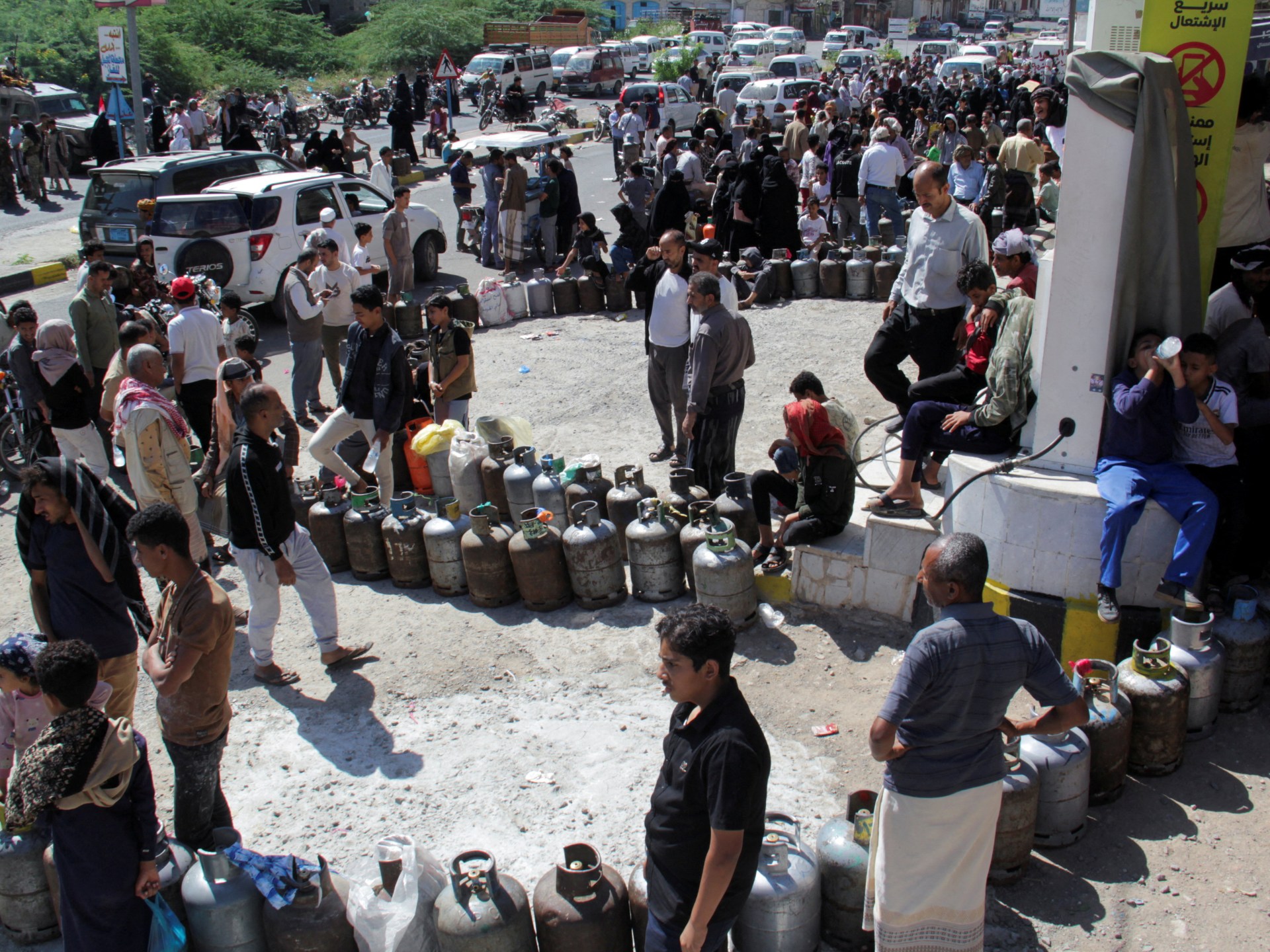

More than 250,000 people have been internally displaced in Yemen since the country’s war reignited in July, the United Nations Refugee Agency (UNHCR) has said, as fighting between Houthi rebels and forces loyal to the internationally recognised government rages across several fronts.
The city of Taiz in southwestern Yemen is at the centre of the displacement crisis, accounting for 76 percent of departures and hosting 52 percent of those newly displaced, UNHCR said in a statement on Tuesday.
- list 1 of 4GCC condemns Houthi attacks on Saudi Arabia as Yemen fighting intensifies
- list 2 of 4Iran support for Houthis probed as Yemen war re-erupts and Saudi cities hit
- list 3 of 4Houthi attack on Yemen army camp in Shabwa kills at least 53: reports
- list 4 of 4US leaving oil-for-security approach, not Middle East: Envoy Tom Barrack
end of list
Lahij in southwestern Yemen hosts 23 percent of the newly displaced population, followed by Aden in the south with 13 percent, UNHCR said.
“Shelling intensified in Taiz, including in residential areas and around health facilities, while insecurity and restrictions along key routes continue to constrain humanitarian access and movement,” the agency said in a statement.
The Houthis, an armed group also known as Ansar Allah (Arabic for Supporters of God), have encircled Taiz since early October, blocking the road that links it to Aden, the interim capital of the Saudi-backed internationally recognised government.
“The most immediate needs that we’ve been able to identify are around shelter, food, and multi-purpose cash assistance,” UNHCR spokesperson Matthew Saltmarsh told a news conference in Geneva, Switzerland.
The agency said about 33,700 families still require shelter assistance amid severe underfunding of the humanitarian response to the war.
Separately, the UN Children’s Fund (UNICEF) said in a statement that escalating fighting and fuel shortages in Taiz are threatening its water systems that serve an estimated three million people, including at least 1.6 million children.
Advertisement
“Already one of Yemen’s most water-scarce areas, Taiz is now facing renewed pressure on its most essential services for thousands of displaced families,” said Akhil Iyer, UNICEF’s Yemen representative, at a press briefing in Geneva.
The warnings come as fighting intensifies between Saudi-backed government forces and the Iran-aligned Houthis.
The death toll from a Houthi ballistic missile strike on a military training camp in Yemen’s Shabwa governorate increased to at least 58, local authorities said.
The Yemeni government described the site as a security training centre away from the front lines, while Houthi forces said they targeted Saudi-backed forces. Hospitals faced blood shortages in Ataq as medical teams responded to casualties and families searched for missing relatives.
The attack was followed by retaliatory strikes by government forces near Taiz, raising further concerns over the worsening humanitarian crisis in Yemen.
Reporting from the capital, Sanaa, Al Jazeera’s Yousef Mawry said, “The Houthis are not backing down. Their military spokesman says they are continuing to conduct more missile attacks deep inside Saudi Arabia.”
“As cross-border attacks grow, Yemenis fear the war is coming closer to home, especially as both sides threaten to escalate their attacks, while Saudi Arabia steps up its air campaign,” Mawry added.
Meanwhile, Yemen’s Saudi-backed coalition spokesperson Turki al-Maliki said on Tuesday that its forces have destroyed 127 Houthi weapons depots and missile launch platforms.
Separately, the United Kingdom said it would deploy Royal Air Force jets on defensive missions to help protect Saudi Arabia from increasing Houthi attacks.
The British Ministry of Defence said in a statement that the Typhoon warplanes would operate in a “defensive role” and not carry out attacks against the Houthis.
Tensions have soared in Yemen since July, when the Houthis announced a blockade of Saudi ports, and fighting escalated sharply last month when they seized strategic territory from forces loyal to the government along the Red Sea coast.
Government forces, backed by Saudi Arabia, responded to the losses with a counteroffensive and launched Operation Dawn of Yemen, which aims to recapture Houthi-held territory, including Sanaa, seized by the group in 2014.
Related News

Trump administration to defend its ban of major news outlets in court
Russian attacks kill eight people across Ukraine as US steps up diplomacy
Iran says two tankers catch fire after hitting mines in Strait of Hormuz