Algeria to vote in test of post-Hirak political landscape
 30 June 2026
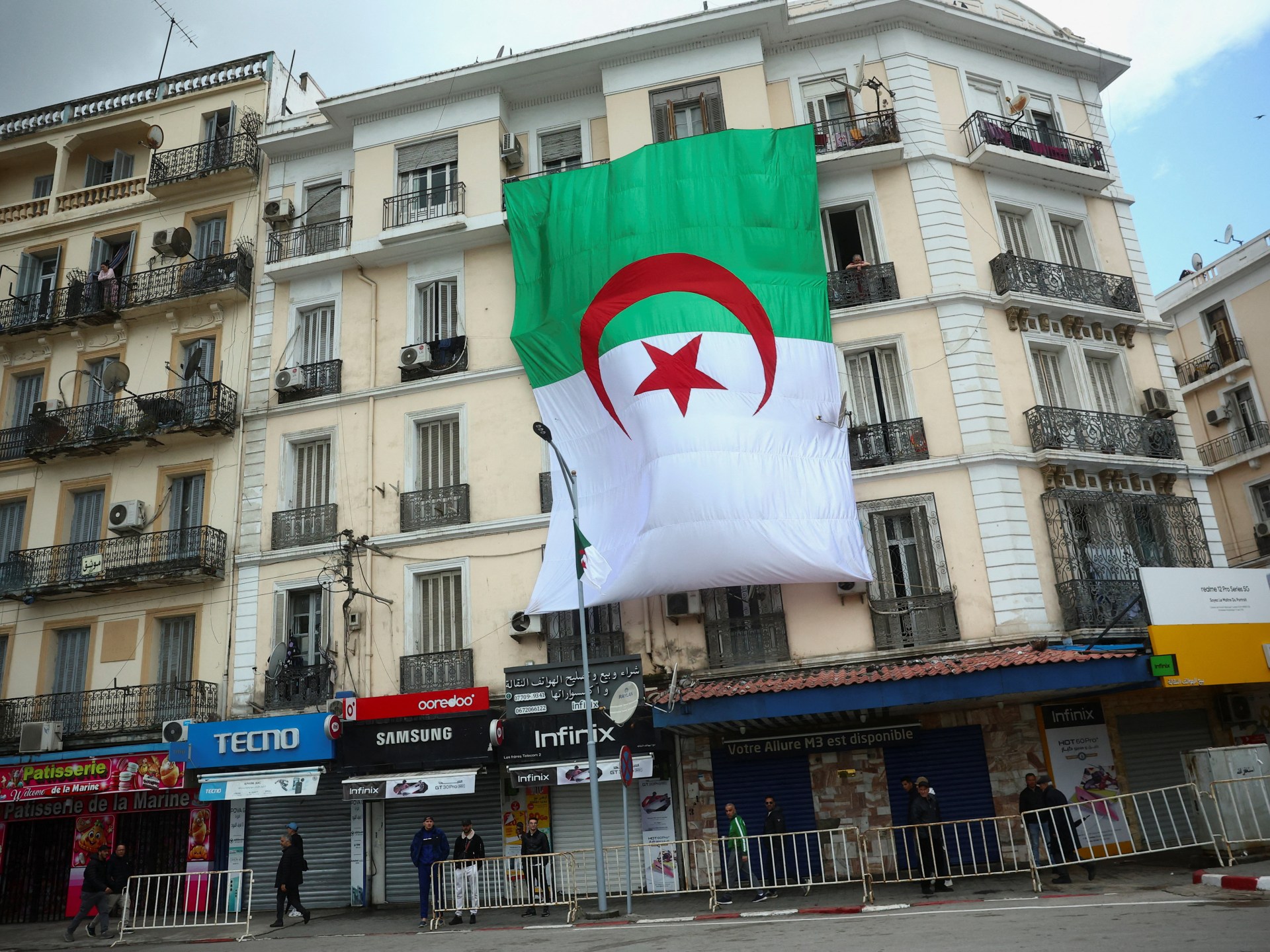

Algiers, Algeria – Algerians vote on July 2 to elect the 407 members of the People’s National Assembly in a parliamentary election widely seen as a test of public engagement and political change more than seven years after the 2019 Hirak protest movement.
More than 24.7 million registered voters, including about 854,000 living abroad, are eligible to vote in the election, according to the Independent National Authority of Elections (ANIE).
Turnout is expected to be low, with continued dominance of established political forces and persistent questions over whether reforms since the mass protests that ousted longtime president Abdelaziz Bouteflika have meaningfully altered Algeria’s political system.
President Abdelmadjid Tebboune has framed the vote as part of the building of a “new Algeria” after the 2019 uprising, but critics argue executive power remains dominant, with parliament playing a limited legislative role and opposition activity constrained by legal and political pressure.
Tight political space
Electoral authorities say hundreds of candidates and multiple party lists were rejected during nomination reviews, citing eligibility rules and legal compliance requirements. Opposition figures and rights groups say tighter electoral laws have increased state oversight of political competition.
Several activists linked to the Hirak movement have faced prosecution or restrictions since 2019, including Karim Tabbou, a prominent opposition figure repeatedly arrested and a vocal critic of what he describes as shrinking political space.
Advertisement
Tebboune has rejected such criticism, arguing reforms have strengthened institutions and preserved stability. He has previously described the Hirak movement as having “saved Algeria from collapse” and urged citizens to vote to reinforce institutional legitimacy.
Dominant blocs return
Algerians will vote under an open-list proportional representation system, allowing voters to choose party lists and express preferences for individual candidates.
The governing National Liberation Front (FLN) and its pro-government ally, the National Democratic Rally (RND), face competition from opposition parties including the Movement of Society for Peace (MSP), as well as nationalist, Islamist and independent lists.

The FLN held 105 of 407 seats in the outgoing parliament.
Turnout in the 2021 election fell to just 23 percent, underscoring widespread voter disengagement.
Authorities say the vote is part of ongoing reforms to strengthen institutions after the Hirak protests, while critics argue executive authority remains largely unchanged.
Human rights groups, including Amnesty International and Human Rights Watch, have raised concerns over restrictions on opposition activity, independent media and civil society. Algerian authorities reject the criticism, saying reforms have expanded political participation while safeguarding stability.
Several opposition parties that boycotted the 2021 vote, including the Socialist Forces Front (FFS), the Workers’ Party (PT) and the Rally for Culture and Democracy (RCD), are participating this time, reflecting debate over whether engagement or boycott offers greater influence.
Economic pressures loom
Economic concerns are expected to feature prominently, with campaigns focusing on jobs, purchasing power, housing and investment. The government has highlighted spending programmes and infrastructure investment funded largely by hydrocarbon revenues, which dominate exports.
Inflationary pressures and uneven job creation continue to shape public sentiment, particularly among younger voters entering a labour market where employment opportunities remain limited outside the public sector and hydrocarbons-linked activity.
At the same time, fiscal reliance on energy revenues has left state spending vulnerable to fluctuations in global oil and gas prices, a factor authorities acknowledge as a key variable in maintaining social spending commitments and economic stability.
Advertisement
The official campaign began on June 12.
Related News
Greece battles raging wildfires as flames appear to ease in France
UAE imposes indefinite trade embargo on Iran over alleged missile attacks
US regulators to weigh controversial peptides backed by RFK Jr