South Korea cheating scandal: Are AI smart glasses a threat to exams?
 17 November 2026
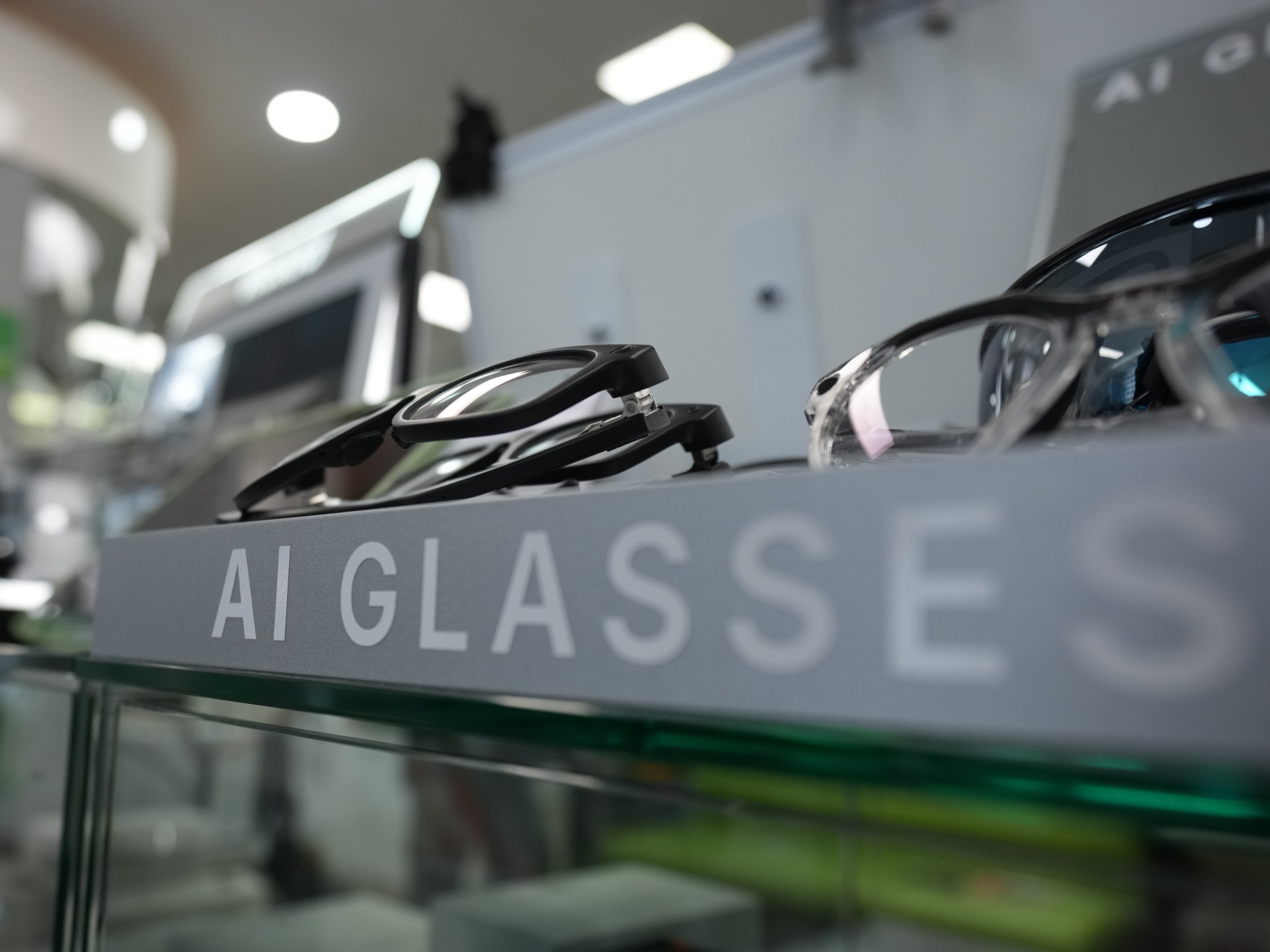

South Korea is racing to fix potential security gaps in upcoming exams after a top scorer on a national test admitted to using artificial intelligence to cheat.
Prime Minister Han Seok-sook called an emergency meeting on Monday, where the education minister was tasked with enforcing new anti-cheating measures ahead of high-pressure annual national college entrance exams known as “Suneung” this week.
- list 1 of 4Meta’s AI age-check goes global: Can it protect teens?
- list 2 of 4US nonprofits sue tech giants to halt AI development
- list 3 of 4Meta rolls out automated age checks for teens globally
- list 4 of 4Australia tightens AI oversight rules after OpenAI government breach
end of list
The scandal began after speculation mounted over a student’s near-perfect scores on two separate exams that contained hundreds of questions.
Now, authorities say cheaters using high-tech gadgets could face criminal prosecution if caught.
In a statement last week, the prime minister said her government “will prepare thoroughly in advance and closely oversee the process until the very end to ensure the college entrance exam is conducted fairly and stably”.
Here’s what we know:

What happened?
In a video published online on Sunday, the student, wearing a mask, admitted to using a miniature camera and AI during the exam for aspiring tax accountants.
Identified as Han Won-seok by South Korean media, the student had taken exams in April and July and answered nearly all questions correctly, raising concerns about potential cheating and prompting investigations.
“I cheated using electronic devices and generative AI. My passing the exam with the top score was not the result of fair effort,” he said in the YouTube video.
Advertisement
He explained that he took photos of the exam questions with the mini camera and sent them to an AI tool. He also said he used a smartphone.
The student said he had submitted a written confession detailing his process to the Seoul police. He also warned future cheaters to reconsider.
“I’m going to tell the investigators everything, so I hope you don’t think that you won’t get caught,” he said.
The prime minister has called for his results to be invalidated and for him to be banned from national examinations.
The case has triggered uproar in South Korea, where notoriously difficult tests determine students’ life trajectories.
Many spend much of their high school years preparing to pass entrance exams, particularly the Suneung, or the College Scholastic Ability Test (CSAT), which lasts for nearly 10 hours. Flights are suspended to allow total concentration during the exam’s English listening segment, and drivers are asked not to honk for the half-an-hour it takes.
On Monday, Minister of Education Choi Kyo-jin said new measures would be instituted, including the inspection of glasses worn by students.
He also said cheating with smart devices could carry criminal punishment.
The ministry has in recent weeks said it would pursue criminal prosecution for cheating during the annual college entrance exam. It also said it was seeking to extend the one-year exam ban for those caught using smart devices to three years.
There will be “a thorough inspection of all glasses in each test session to ensure a fair and safe testing environment”, the minister said.
Is AI changing exams?
The case has revealed the risks AI could pose to exams as smart gadgets make cheating easier, and as authorities appear to be playing catch-up on how the new tools are being deployed.
It could especially affect Asian countries like South Korea, reputed for conducting arduous exams with strict anti-cheating protocols meant to ensure fairness.
Reports of students using AI-powered smart glasses that allow them to look at questions and see responses immediately are becoming common.
A South Korean education official said students likely enter AI prompts beforehand and activate the glasses during tests.
Early iterations of smart glasses featured identifiable cameras in their frames, but the devices are increasingly inconspicuous, making them difficult to detect.
In October, three students in South Korea were caught using smart glasses during tests at universities in Seoul.
In Taiwan, the National Taiwan University disqualified a student in June from medical school entrance exams for allegedly using AI smart glasses to cheat.
Advertisement
Authorities are promising stricter measures. In July, South Korea’s education authorities banned smart glasses from exams and said they will deploy one dedicated person per 1,312 CSAT test sites to inspect eyewear.
Seoul is also mulling introducing technology to detect advanced gadgets on students, including radio-frequency detectors. Public Wi-Fi, officials say, could be disabled at test sites too.
Chinese authorities are likewise tightening measures for the competitive college entry, or Gaokao, exam by equipping testing sites with intelligent security gates to detect smart glasses and other gadgets.
Related News
Prominent Israeli settler denied entry into France

Iran war live: Oil tankers hit in Hormuz; Trump says conflict will end soon

What Vucic’s defeat means for Serbia’s foreign policy