
When The Church Speaks: The Transformational Power Of Communications
 03 August 2026
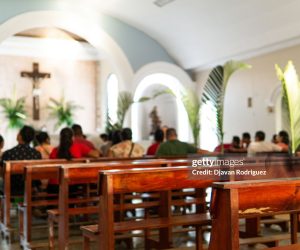


News Americas, NEW YORK, NY, Sun. August 2, 2026: When the Church speaks, people listen. Do they encounter clarity or confusion, hope or hesitation, Christ or merely activity through that voice? In Scripture, the herald did not create the message. The herald prepared people to recognize the arrival of the King. That sacred responsibility remains essential today and speaks directly to the work of the Communications Director. The role extends far beyond announcing events, recording worship services, managing digital platforms, or producing publications. Christian communication is part of the Church’s witness. “Faith comes by hearing” (Romans 10:17), reminding us that words have the power to shape belief, strengthen trust, and awaken transformation. Every message leaves a mark. It teaches people what matters, reveals what the Church values, and influences how communities understand God’s mission.
The Communications Director stands at one of the most influential intersections in the life of the Church: the place where mission becomes message, vision becomes understanding, and truth becomes lived experience. Research in leadership, journalism, and organizational communication demonstrates that trust grows through accuracy, transparency, consistency, and genuine listening. The Church operates within the same human reality. Every sermon summary, testimony, photograph, interview, podcast, website update, crisis response, and digital message contributes to the public witness of God’s people. Success cannot be reduced to engagement numbers, audience size, or online visibility. The deeper measure is transformation. Faith grows stronger. Families discover hope. Young people find belonging. Communities encounter the character of Christ through a Church that communicates with wisdom, humility, and conviction.
Across the Caribbean, where churches have historically been woven into the social and spiritual fabric of communities, communication has unique significance. The Church is not speaking into an empty space. It is speaking into homes, villages, cities, schools, workplaces, and a global Caribbean diaspora connected across continents. A generation shaped by digital culture is searching for authenticity, meaning, and belonging. This moment requires Communications Directors who understand that communication is not simply the delivery of information. It shapes identity, builds trust, and forms community. They must discover stories that reveal God’s activity rather than simply report programmes. They must listen carefully to members, visitors, young adults, and communities because listening often reveals what statistics cannot see. They must embrace artificial intelligence, emerging technologies, and digital innovation with wisdom, ensuring that tools serve the mission and never replace the message.
The herald’s responsibility was never merely to announce that a King was coming. The herald prepared people to recognize the King when He arrived. That is the sacred calling of Christian communication. The Communications Director helps the Church speak with a voice that reflects the character of Christ: truthful enough to build trust, compassionate enough to heal, courageous enough to stand for conviction, and hopeful enough to inspire faith. A Church’s enduring witness is not measured by the announcements it publishes, the magazines it prints, the videos it uploads, or the size of its online following. Its true measure is found in the lives drawn closer to Christ, the confidence strengthened in God’s Word, and the hope awakened in human hearts. The Church does not communicate because it merely has something to say. The Church communicates because it has Someone to reveal. When its voice reflects God’s character, communication becomes more than a ministry tool. It becomes an instrument of transformation.
Related News
The Guyana Ferry Disaster Is The Caribbean’s Worst Since 1970
As Africa And The Caribbean Demand Reparations, A New Book Shows The British Crown Was The...
Queens, NY Soldier Killed In Iranian Attack In Jordan Was Born In Trinidad