Nicaragua’s Daniel Ortega aims to bar ‘traitors’ from future elections
 29 July 2026
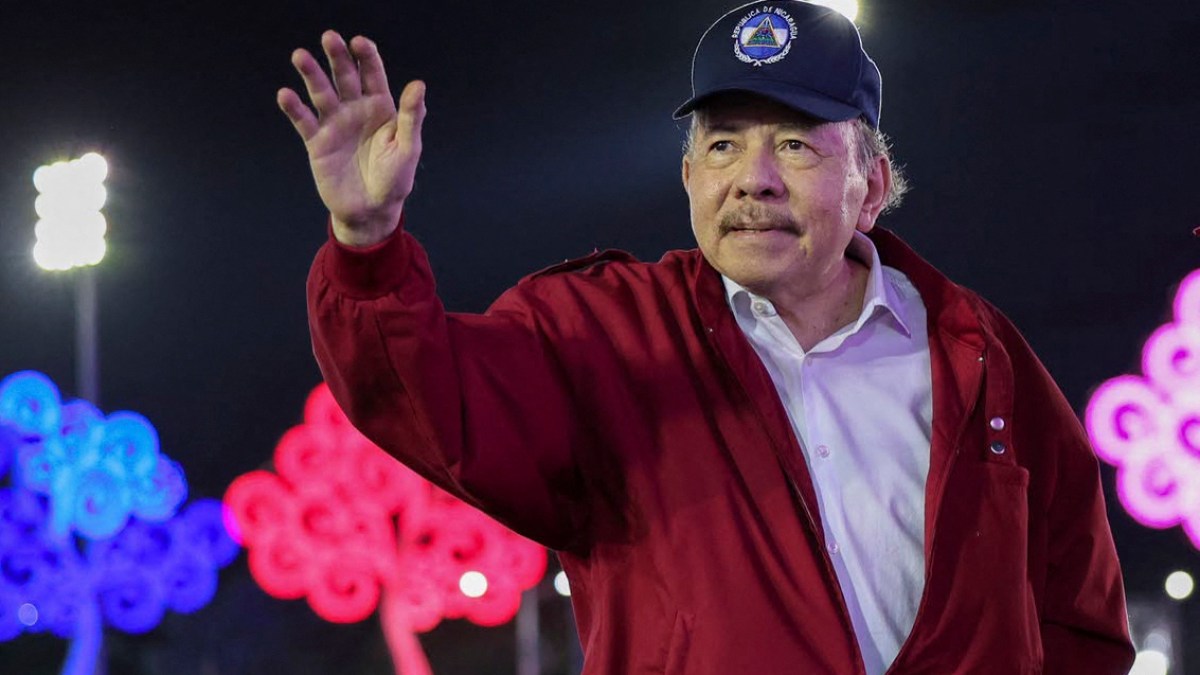

Nicaraguan President Daniel Ortega aims to exclude “traitors” and “coup-plotting” opposition members from elections, while also seeking to extend the presidential term from six to seven “renewable” years, according to a draft constitutional reform sent to Congress.
Congress President Gustavo Porras previewed the content of the reform on Tuesday, according to several media outlets, though he did not provide many details.
- list 1 of 3Nicaragua strips lawyers of certification in latest crackdown on dissent
- list 2 of 3Ortega insists no more elections for Nicaragua
- list 3 of 3UN rights chief condemns Nicaragua’s decision to abolish elections
end of list
The proposal is expected to be approved in September. It follows recent statements by the president that there would be no elections in the Central American nation, as a means of preventing the opposition from “seizing the government”.
“Our system of government, under the presidency of the people, proposes to be organised with an effective term of seven renewable years,” Porras said as he read the proposal.
A previous constitutional amendment was passed in 2024 that extended the presidential term from five to six years and elevated Rosario Murillo, Ortega’s wife and then-vice president, to the position of co-president.
It also postponed planned elections until late 2027.
Opponents criticised those moves as an effort to keep the presidential family in power indefinitely.
Ortega, a former Marxist rebel, began his fourth consecutive term in January 2022 after winning an election the previous November, amid growing criticism and sanctions from much of the international community, led by the United States and the European Union.
He helped overthrow the right-wing dictatorship of the Somoza family in the late 1970s and has been the longest-serving leader in the Americas since returning to power in 2007.
Advertisement
Nicaragua has been in the midst of a political crisis since April 2018, when Ortega responded to antigovernment protests with a crackdown that killed more than 300 people, according to human rights organisations.
Related News
China expands anti-sanctions toolkit, raising risks for foreign firms
‘Will not leave’: Is Israel killing the US-Iran MOU by staying in Lebanon?
Tunisians mark fifth year of emergency rule with calls for Saied to go