
With reform ongoing, public aid payouts up 16 percent
 03 February 2026
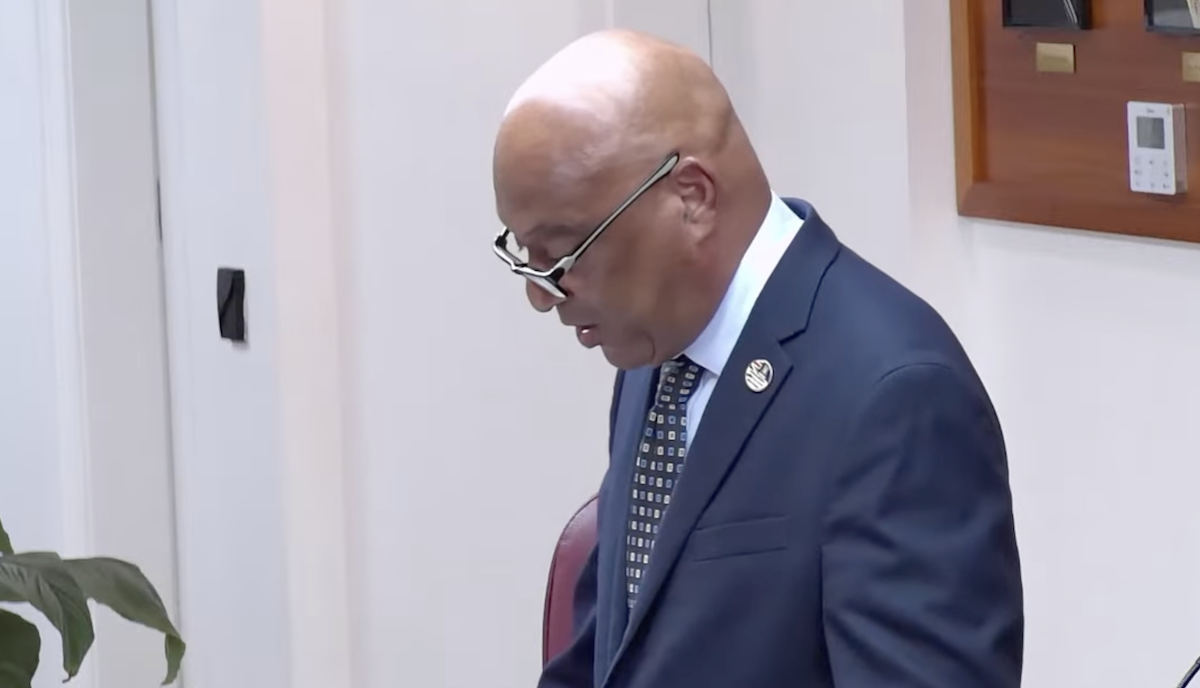

More than 500 people benefited from increased public assistance grants last year, with programme spending rising 16 percent and the number of recipients climbing 13 percent year-on-year amid an ongoing reform process, according to Health and Social Development Minister Vincent Wheatley.
“As an interim measure, Cabinet approved updated monthly public assistance grant amounts on [Feb. 5, 2025,] pending the full benefit structure under the revised framework,” Mr. Wheatley told the House of Assembly on Jan. 15. “These increases took effect from [Feb. 28] and were applied to all eligible existing beneficiaries.”
The minister said the increases translated into tangible help for vulnerable residents, noting that 188 elderly residents alone received more than $569,000 in assistance, alongside disability supplements, home-care aid and medical grants.
“This decision was not an accounting exercise: It was direct relief,” he told legislators.
As the ministry works to modernise how aid is delivered, the minister added, the Public Assistance Programme remains “a vital safety net,” particularly for seniors, people with disabilities and households facing serious hardship.
Consultant hired
Though the programme is already operating under a legislative framework that was reformed after the recent Commission of Inquiry, Mr. Wheatley said his ministry is focused on further improvements designed to ensure consistency, fairness and public trust through clearer rules, proper documentation and defined service standards.
As part of that effort, he said, the ministry has engaged a consultant to help strengthen implementation under the new legal framework.
“The Public Assistance Programme has grown in scope and complexity, particularly following the consolidation of previously fragmented discretionary grants into a single, more transparent system,” he said. “While this consolidation strengthened governance and accountability, it also increased the volume and complexity of applications now managed by the Social Assistance Division.”
To address such issues, the consultancy was designed as a 24-week phased programme aimed at practical, lasting improvements, according to the minister.
“It is important for the public to understand that this is not reform in theory,” Mr. Wheatley said. “It is reform in practice.”
Reform process
As part of the reform process, work is under way to standardise operating procedures, improve decision-making and appeals readiness, strengthen data protection, prepare for digitisation, and enhance verification and interagency coordination, according to the minister.
These changes, he said, will make the programme more reliable for beneficiaries and more manageable for staff. Mr. Wheatley also said public assistance reform is feeding into broader plans for a modernised social protection system, including the development of a Social Protection Bill.
“This bill is intended to replace the existing Public Assistance Act and establish a modern legislative framework for social assistance and wider social protection,” he said. “It is expected to strengthen governance and cross-government coordination, establish a dedicated Social Protection Fund, and introduce a single register supported by a Social Protection Information Management System.”
‘A living system’
Public assistance, he added, is not a static programme.
“It is a living system that must evolve with the needs of our community,” Mr. Wheatley said. “Through increased grant support, improved systems, strengthened oversight and targeted capacity building, the ministry is ensuring that assistance reaches those who need it in a manner that is fair, dignified and accountable.”
Related News
DEA Says ‘We’re Not Going to Stop Until Zero’ as Fentanyl Free USVI Initiative Launches

Man Arrives at Hospital With Gunshot Wound After ShotSpotter Alert in Hospital Ground

“Papers, Please”: Immigration Attorney Says Legal Status No Longer Guarantees Security