
War Over Hormuz Enters Dangerous New Phase as Iran Refuses Reopening and Global Price Fears Grow
 08 April 2026
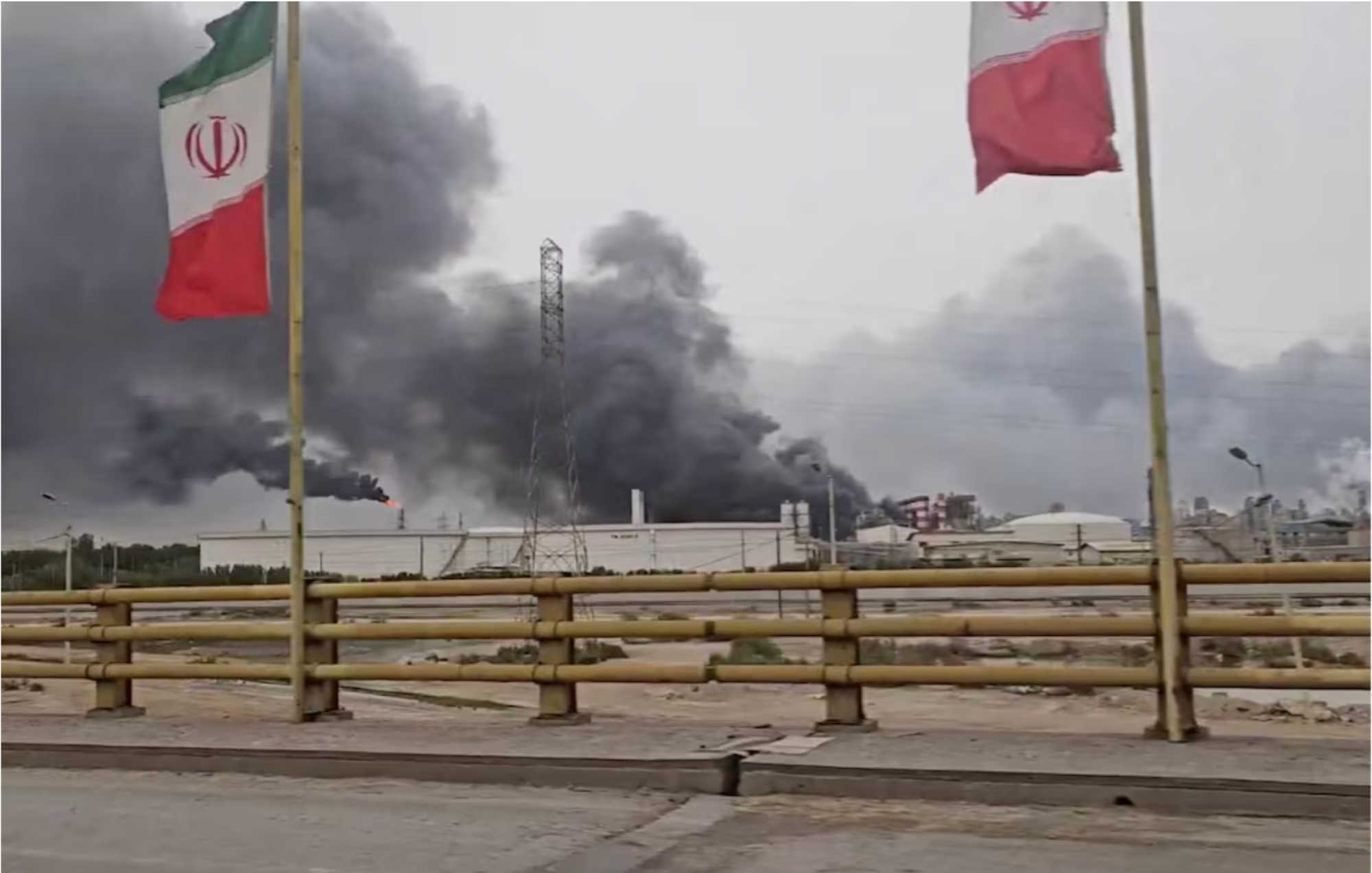

As Iran refuses to reopen the Strait of Hormuz under a temporary ceasefire plan and President Donald Trump threatens more strikes on Iranian infrastructure, analysts and international agencies are warning that a prolonged closure could move the war’s fallout far beyond the battlefield — into oil, gas, aviation, food, fertilizer and consumer prices around the world.

Iran on Monday rejected reopening the strait as part of a temporary ceasefire proposal, while a new Reuters poll of analysts said Brent could climb toward $190 a barrel if the waterway stays closed. The International Energy Agency says about 20 million barrels a day of oil and oil products and nearly 20% of global LNG trade normally move through Hormuz, meaning a lasting disruption would have “huge consequences” for world energy markets and could quickly create physical shortages.
The latest rejection came as mediators circulated a new plan to pause the fighting, but Iran refused to reopen the strait for a temporary ceasefire and rejected imposed deadlines, saying Washington was not showing readiness for a permanent truce. The conflict itself began on Feb. 28, when the United States and Israel launched attacks on Iran. That came only days after U.S.-Iran talks in Geneva had ended with “significant progress,” and weeks after Iranian Foreign Minister Abbas Araqchi had described earlier Oman talks as “a good start.”
On the ground, the war is still widening. AP reported that a new wave of U.S. and Israeli strikes on Monday killed more than 25 people in Iran, including in Tehran, while Iranian missiles and drones hit Israel and Gulf Arab states. One strike hit the grounds of Sharif University of Technology in Tehran, while in Haifa two bodies were found under rubble a day after an Iranian missile strike. Iran has continued attacking Israel, U.S. military bases, and energy infrastructure around the Gulf in retaliation.
Trump added new controversy on Sunday with a series of expletive-laden Truth Social posts. “Tuesday will be Power Plant Day, and Bridge Day”, Trump wrote as he demanded that Iran “Open the Fuckin’ Strait”, signing off with “Praise be to Allah." He later posted a more precise deadline: “Tuesday, 8:00 P.M. Eastern Time!” The criticism was swift. Lawmakers and the Council on American-Islamic Relations condemned the threat to civilian infrastructure and the use of religious language in the post.
The record on civilian sites inside Iran is severe. The U.S. military investigators believed it was likely that U.S. forces were responsible for the Feb. 28 strike on an Iranian girls’ school in Minab, and later reported that the Pentagon elevated that investigation. More than 1,900 people had been killed as of April 2, and more than 21,000 injured in Iran since the U.S.-Israeli airstrikes began.
If Hormuz does not reopen, the economic consequences look global and immediate. The IEA says there are only 3.5 to 5.5 million barrels a day of bypass capacity available against roughly 20 million barrels a day that normally move through Hormuz. The IEA also warns that a prolonged closure would remove a large share of the world’s spare production capacity from practical use.
The travel hit would not be limited to higher ticket prices. The International Air Transport Association said the conflict has exposed serious jet-fuel supply vulnerabilities, with tanker traffic collapsing and Europe particularly exposed to Persian Gulf fuel supply. AirAsia has already raised fuel surcharges by 20% and fares by 31% to 40%, while warning it may trim capacity if the conflict drags on. That means a long Hormuz closure would likely mean more expensive flights, route changes and capacity cuts, especially in fuel-sensitive international markets.
Food and other consumer goods would likely follow fuel higher. The U.N. Food and Agriculture Organization warned last week of “severe global food security risks” from disruption in Hormuz, saying the shock is now moving through energy, fertilizer and agrifood systems together. The IEA says more than 30% of global urea trade and about 20% of ammonia and phosphate trade move through the strait. That matters because fertilizer costs feed directly into crop production and food prices, while higher transport costs push up the cost of moving groceries and basic goods. In short, if the strait remains closed, the world is not just looking at an oil problem. It is looking at a wider inflation and supply problem that could reach gas stations, power bills, flights, farms and supermarket shelves at the same time.

Related News

New Poll Shows Vialet Ahead in Governor Race as Voters Put Economy, Healthcare First
Watch: No Kings Protest Draws Crowd on St. Croix
Sunset Soca Wine Festival Returns to Frederikst...