
U.S. Accepts Iran’s 10-Point Framework, Opening Ceasefire and Friday Talks in Pakistan
 08 April 2026
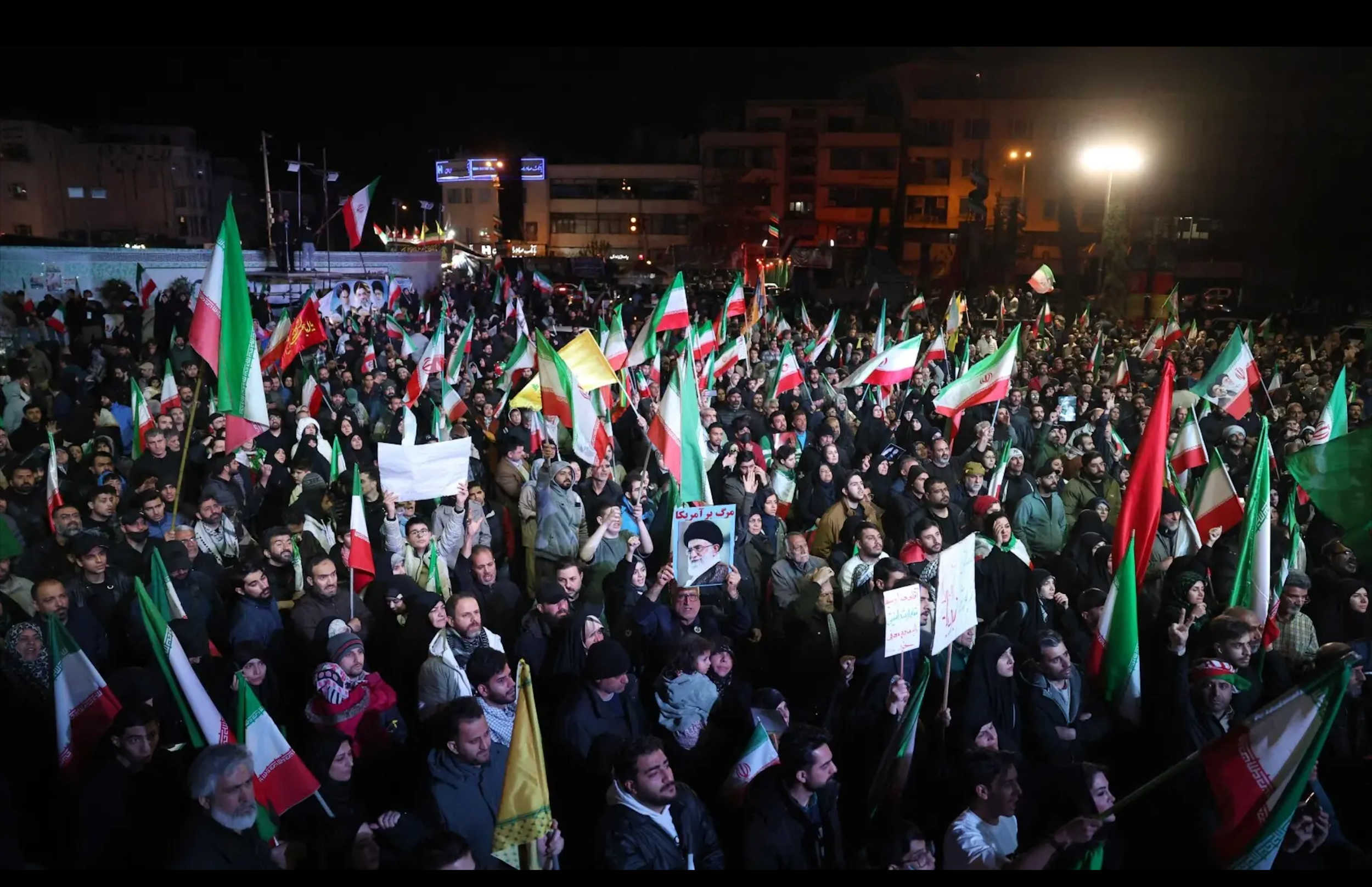

The first real opening in the U.S.-Israel war against Iran came late Tuesday, when Washington agreed to use Iran’s 10-point proposal as the basis for negotiations, a two-week ceasefire took effect, and Tehran said the Strait of Hormuz would reopen for limited passage under coordination with its armed forces. Talks are now scheduled to begin Friday in Islamabad.

The deal arrived only hours after President Donald Trump escalated his threats to their most extreme point. On Tuesday, Trump warned “a whole civilization will die tonight” if Iran did not make a deal by his deadline. The president's threat to widen strikes to Iranian infrastructure shocked global leaders and unnerved some Republicans, with more than 85 House Democrats on Tuesday evening voicing support for impeachment or invoking the 25th Amendment.
What Washington has now accepted as the starting document is a 10-point Iranian framework that goes well beyond a simple pause in fighting. According to Xinhua, citing Iran’s semi-official Mehr News Agency, the proposal calls for: a U.S. commitment to no further aggression; continued Iranian control of the Strait of Hormuz; acceptance of Iran’s nuclear enrichment rights; lifting of all U.S. primary sanctions; lifting of all U.S. secondary sanctions; termination of all United Nations Security Council resolutions against Iran; termination of all International Atomic Energy Agency Board of Governors resolutions against Iran; payment of war damages to Iran; withdrawal of U.S. combat forces from the region; and cessation of hostilities on all fronts, including Lebanon.
Pakistan helped broker the last-minute ceasefire, and Prime Minister Shehbaz Sharif publicly announced that delegations from Iran and the United States had been invited to Islamabad on Friday, April 10, for further negotiations toward a conclusive settlement. Iranian state-backed and international reporting also said the talks could run for up to two weeks, with an extension possible by agreement.
The ceasefire does not end the war, and even the maritime reopening comes with limits. The agreement hinges on Iran pausing its blockade of oil and gas shipments through Hormuz. Major shippers remain cautious, with Maersk saying the truce may create transit opportunities but does not yet restore full maritime certainty.
Even so, the deal leaves Tehran entering talks with leverage it did not have when the war began on Feb. 28, when the United States and Israel launched strikes on Iran. Iran now goes into negotiations with Washington working from its framework, with Pakistan acting as mediator, and with its control over Hormuz still central enough to move oil, shipping and diplomacy around the world: oil fell sharply on the ceasefire news, but physical markets remained stressed and shipping companies still treated the route as fragile.

Related News

Lt. Governor Warns Businesses to Renew Trade Names on Time or Risk Losing Them
War Over Hormuz Enters Dangerous New Phase as Iran Refuses Reopening and Global Price Fear...

Two Events One Destination: Island Vybez Promotions Delivers Sunny Side Up and Midnight Op...