Russia ready to respond to any US weapons deployment in Greenland: Ryabkov
 03 February 2026
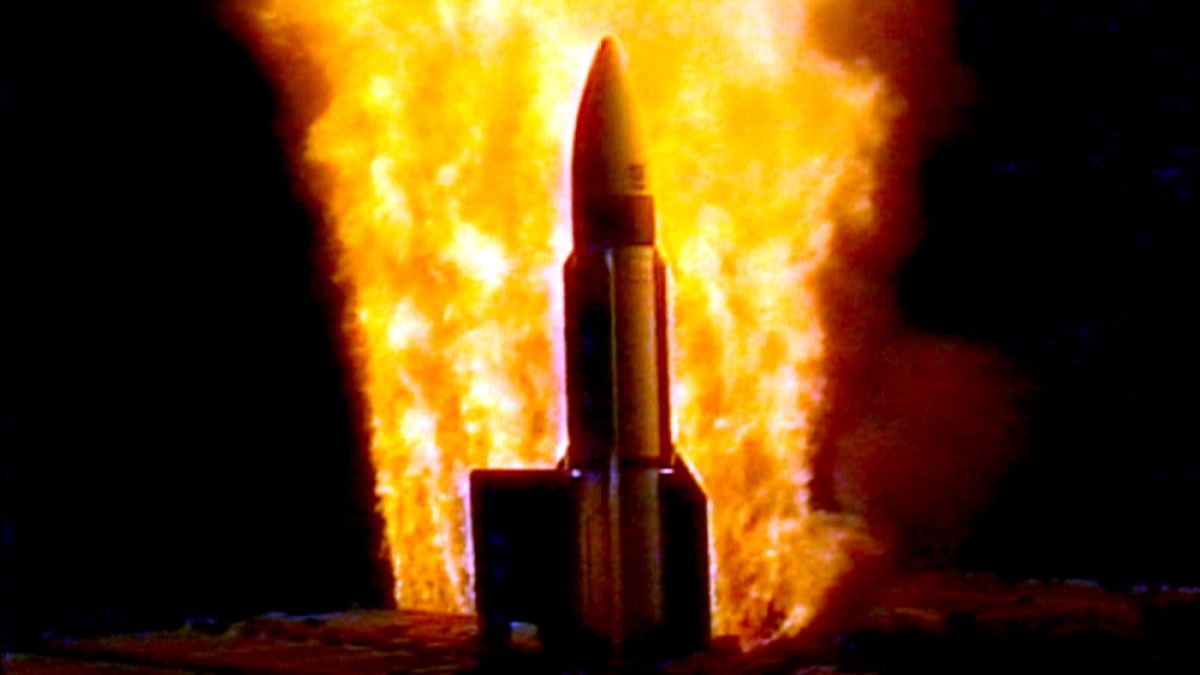

Moscow is ready to respond if Washington moves to place weapons on Greenland, a senior Russian official has said.
Deputy Foreign Minister Sergey Ryabkov said Russia will take military measures should the United States follow through on proposals to deploy its Golden Dome missile defence programme to the Arctic island.
- list 1 of 4Trump’s fragile Greenland ‘framework’ with NATO
- list 2 of 4A look at the rare earth minerals Trump wants to mine in Greenland
- list 3 of 4Greenland hit by power outage, strong winds in wake of US tensions easing
- list 4 of 4What is the US critical minerals stockpile?
end of list
Ryabkov made the comments to reporters at the Russian embassy in China on Tuesday, Russian state news agency TASS reported. His words came two days before the expiration of the New START treaty, the last remaining nuclear arms control pact between Washington and Moscow.
“If [the Americans] opt to pump some weapons systems to the region or deploy certain elements of their Golden Dome concept [in Greenland], it will be a situation that would require military and technical compensatory measures, and our specialists will be quite ready to take them,” Ryabkov said.
“There can be no doubt about it.”
The comments followed US President Donald Trump’s remarks last month that discussions were being held about the Golden Dome – Washington’s proposed multilayered missile defence programme intended to be completed by the end of Trump’s term in 2029 – “as it pertains to Greenland”.
Trump made the remarks as he claimed to have struck an agreement on a “framework of a future deal” on the Arctic island, a self-governing territory of Denmark, with NATO Secretary-General Mark Rutte.
Trump has repeatedly expressed his desire to acquire the island for strategic national security reasons despite the fierce objections of Denmark, Greenland and other European allies.
Advertisement
Last month, he threatened to impose escalating tariffs on countries that opposed his plans, plunging transatlantic relations into crisis, before retracting the threat and claiming the “framework” for a deal had been reached during talks with the NATO chief.
Nuclear pact due to expire
Ryabkov also addressed the impending expiration of the New START treaty, which is due to lapse on Thursday unless a last-minute understanding is struck.
Moscow said it has made a proposal to keep observing the treaty’s limits for another year that remains on the table but the US is yet to respond.
Ryabkov said Moscow would not send any further communications to Washington.
“We completed everything necessary in a timely manner, and they had ample time to consider it. The lack of a response is also a response,” he said.
To revive the strategic security dialogue between the two countries, the US must significantly change course in its foreign policy approach to Moscow, he added.
“Significant reforms are required – improvements in the US’s overall approach to its relations with us,” Ryabkov said.
However, the official insisted that Russia will not enter a new arms race after the nuclear treaty expires.
‘Dangerous’ moment: Kremlin
Kremlin spokesperson Dmitry Peskov separately warned that the world was heading into a “dangerous” moment with the treaty set to expire.
“In just a few days, the world will be in a more dangerous position than it has ever been before,” Peskov said, adding that the world’s top two nuclear powers would be “left without a fundamental document that would limit and control these arsenals”.
The New START treaty, which was signed by former US President Barack Obama and his Russian counterpart Dmitry Medvedev in 2010, caps the number of strategic nuclear warheads that the US and Russia can deploy.
It came into force in February 2011 and was extended in 2021 for five years after former US President Joe Biden took office.
Under the agreement, Moscow and Washington are committed to deploying no more than 1,550 strategic nuclear warheads and a maximum of 700 long-range missiles and bombers.
It imposes a deployment limit of 800 intercontinental ballistic missiles and permits each side to conduct up to 18 inspections of strategic nuclear weapons sites yearly to ensure the other has not breached the treaty’s limits.
Related News
Russia-Ukraine war: List of key events, day 1,431
Is the UK playing a double game in Sudan and Somalia?
Why has Burkina Faso banned political parties, and what’s next?