
Marco Rubio heads to Middle East to address Iran MoU, Hormuz
 22 June 2026
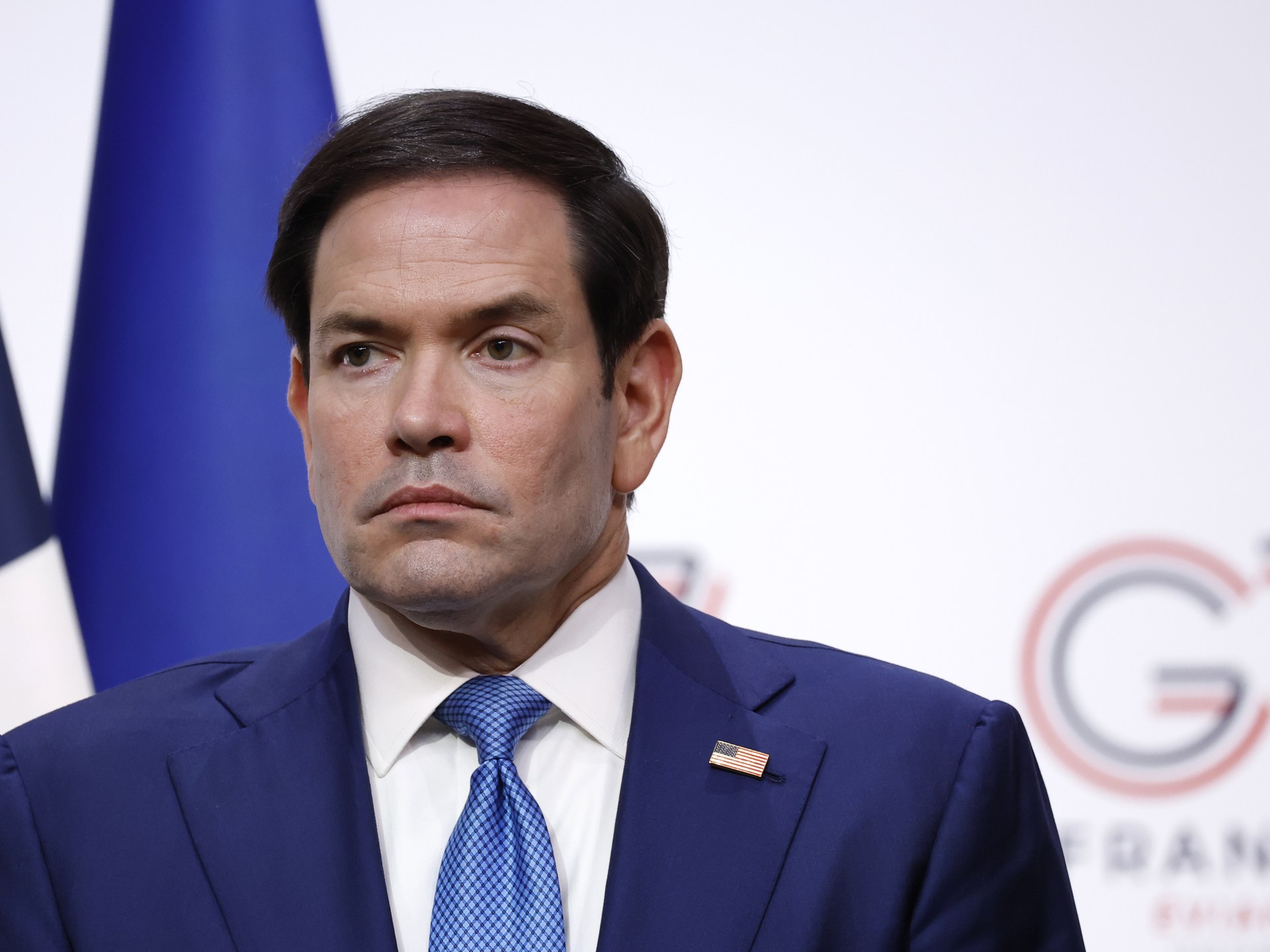

The United States’ top diplomat is set to travel to the Middle East later this week to discuss regional issues, including the memorandum of understanding (MoU) with Iran and the future status of the Strait of Hormuz.
Secretary of State Marco Rubio is due to visit the United Arab Emirates, Kuwait and Bahrain from June 23-25, the US State Department said in a media release on Monday.
- list 1 of 3US partially lifts Iran oil sanctions amid ‘encouraging’ talks
- list 2 of 3What are the key outcomes of the Iran-US talks, what next?
- list 3 of 3Shipping stalls in Strait of Hormuz after Iran declares key waterway shut
end of list
“The Secretary will discuss a range of regional priorities, including the memorandum of understanding with Iran, efforts to secure full and free safe transit through the Strait of Hormuz, and the importance of peace and stability in the region,” the statement reads. “In Bahrain, the Secretary will also meet with the Gulf Cooperation Council (GCC) to discuss shared priorities across the region.”
The GCC, made up of six countries in the Gulf, also includes Saudi Arabia, Qatar and Oman.
The announcement comes as the United States and Iran seek a negotiated settlement on a series of complex issues during a period of talks outlined in the joint MoU that suspended hostilities between the two countries.
While that agreement was largely welcomed across the Middle East, the war strained relations between Iran and Gulf neighbours hosting US military bases. Iranian attacks on those countries, which included strikes on civilian infrastructure, also raised questions about US security partnerships with countries in the region.
Transit through the Strait of Hormuz, the crucial corridor for oil and gas from the Middle East that was largely shut throughout the war, has also remained below pre-war levels, though it has increased since the MoU signing.
Advertisement
The data and analytics firm Kpler said 71 vessels passed through the waterway over the weekend, compared to a daily average of between 100 and 131 before the US and Israel launched their war on Iran in late February.
The MoU states that Iran may not charge transit fees during a 60-day negotiation period, and the State Department release underscored “efforts to secure full and free safe transit” of the strait.
Iranian officials have suggested that they plan to charge transit fees after that 60-day period ends.
Related News

West Bank ethnic cleansing, settler attacks Israel’s state policy: Amnesty

US asks Anthropic to block global access to top AI models: Why it matters
Iran war live: Tehran says ‘peace deal’ ends US blockade, war on all fronts