
DOJ Responds to Gittens on St. Croix Morgue, Cites Obstacles and April 2026 Target
 20 January 2026
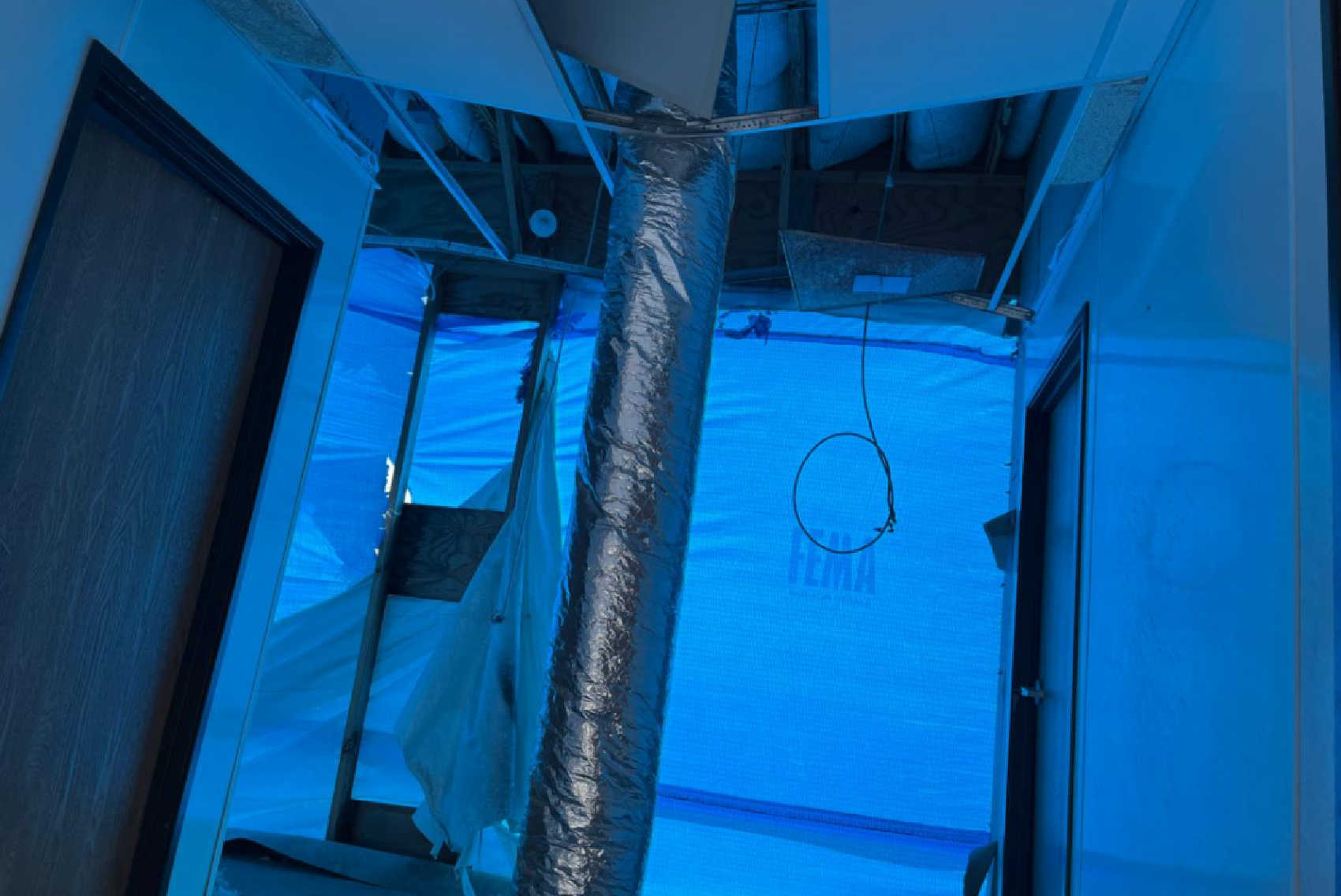

Attorney General Gordon Rhea has issued a detailed written response addressing long-standing deficiencies in morgue operations and forensic pathology services on St. Croix, outlining obstacles encountered over several years and stating that the territory is now positioned to have a fully operational morgue and autopsy suite on St. Croix by April 2026.

The response follows a January 14 inquiry from Senate Vice President Kenneth L. Gittens, who sought accountability and timelines regarding the absence of a functioning morgue, the lack of a pathologist assigned to St. Croix cases, and the continued transport of bodies to St. Thomas for autopsies. Gittens’s letter, which was circulated publicly and reported by multiple media outlets, raised concerns about dignity, justice, public safety, and the emotional toll on families forced to wait extended periods to bury loved ones.
In his letter to Gittens, Rhea acknowledged the severity and duration of the problem, writing that “difficulties and obstacles encountered in obtaining a morgue on St. Croix and getting medical examiners paid have been a severe frustration, not only for the people of the Virgin Islands, but to me as well.” He stressed that the delays were “not for a lack of trying,” and provided a chronological explanation of the efforts undertaken by the Department of Justice.
Rhea explained that approximately three years ago, his predecessor arranged for the purchase of a modular morgue, which was transported to St. Croix and stored on Virgin Islands Port Authority property while a permanent site was being identified and prepared. At that time, DOJ entered into a memorandum of understanding with the Juan F. Luis Hospital, which then had an operational autopsy facility.
When Rhea assumed the role of acting attorney general in mid-2024, however, he said no site had been prepared for the modular morgue and JFL’s autopsy suite was no longer functional. As a result, DOJ continued the practice of transporting bodies requiring autopsy from St. Croix to St. Thomas, where a fully functional autopsy suite and morgue remained in operation, before returning the remains to St. Croix.
In an effort to resolve the situation, Rhea said he explored two options. First, DOJ approached JFL to assess whether its autopsy suite could be restored, but plumbing and other infrastructure problems ruled out that possibility. The department then evaluated multiple potential locations for the modular morgue, including the vacant site of the former Ralph de Chabert project. After several months, DOJ concluded that the most efficient and cost-effective solution was to erect the modular morgue at a vacant lot near Golden Grove, where the Toro building had previously been located and where some preparatory work had already occurred. The land was subsequently cleared in anticipation of installation.
Rhea said progress was later hindered by several developments beyond DOJ’s control. The contractor originally hired to oversee the project, VESTA, was acquired by another company, requiring contract renegotiation and an extended review process involving the Division of Property and Procurement and other government agencies. Additionally, funding that DOJ had designated for the project became unexpectedly unavailable, forcing the department to undertake what Rhea described as an arduous search for replacement funding.
As a result, DOJ continued transporting bodies between districts. Rhea disclosed that during calendar year 2025, 52 bodies from the St. Croix District were transported to St. Thomas at a total cost of $112,000.
Rhea reported that funding has now been secured and that Chief Deputy Attorney General Ian Clement has brought contract negotiations to near completion. DOJ expects a final approved contract within weeks, which would allow the modular morgue and autopsy suite to be assembled and operational on St. Croix in April 2026.
Addressing Gittens’s questions about the modular morgue itself, Rhea said it has remained at the Port Authority for three years and has required periodic repair or replacement of its waterproof tarp cover. A recent inspection found the structure to be in generally good condition, though some repairs are needed. Rhea thanked Port Authority Executive Director Carlton Dowe for allowing DOJ to store the facility at no cost.
The letter also detailed challenges related to medical examiners. When Rhea joined DOJ, the department relied on two independent contractors, Drs. Pender and Landron. In 2025, the Division of Property and Procurement required both to be placed under contract. Dr. Pender, who handled St. Croix autopsies, completed a contract that included payment of outstanding invoices, but due to what Rhea described as bureaucratic issues outside DOJ’s control, those payments were delayed. Although the invoices have since been paid, Rhea said Dr. Pender resigned “in frustration.”
Dr. Landron, who was also owed payment for multiple invoices, has since been paid and remains the sole medical examiner for the Territory. Rhea stated that Dr. Landron has completed all pending autopsies, including St. Croix cases, and that the number of outstanding or backlogged cases in the St. Croix District is currently zero. To prevent future backlogs, DOJ is actively recruiting a second medical examiner, with Rhea noting that the workload requires at least two pathologists.

Rhea concluded his response by stating that the delays were not due to neglect or inadvertence by DOJ, but rather to circumstances outside the department’s control. He emphasized that resolving the St. Croix morgue and pathology issues remains among his top priorities and expressed confidence that the Territory is nearing the end of what he described as “a long and tortuous road.”
Related News
VI National Guard Exits Federal Oversight After Six Years of Transformation

Free Pap smears coming next month
Blaze destroys houseboat at Nanny Cay