Democratic Party Sues Election System, Says Primary Process Ignores Federal Court Ruling
 10 April 2026

The Democratic Party of the Virgin Islands has sued the territory’s Election System, arguing that election officials are moving ahead with preparations for the August 1 primary without implementing the party’s own election and certification plan — a plan the party says it adopted after a 2024 federal court ruling struck down several Virgin Islands elections laws as unconstitutional.

At the center of the dispute is whether the Election System can continue using an approach the Democrats say ignores the court’s ruling and unlawfully interferes with the party’s ability to choose its own candidates for the November general election.
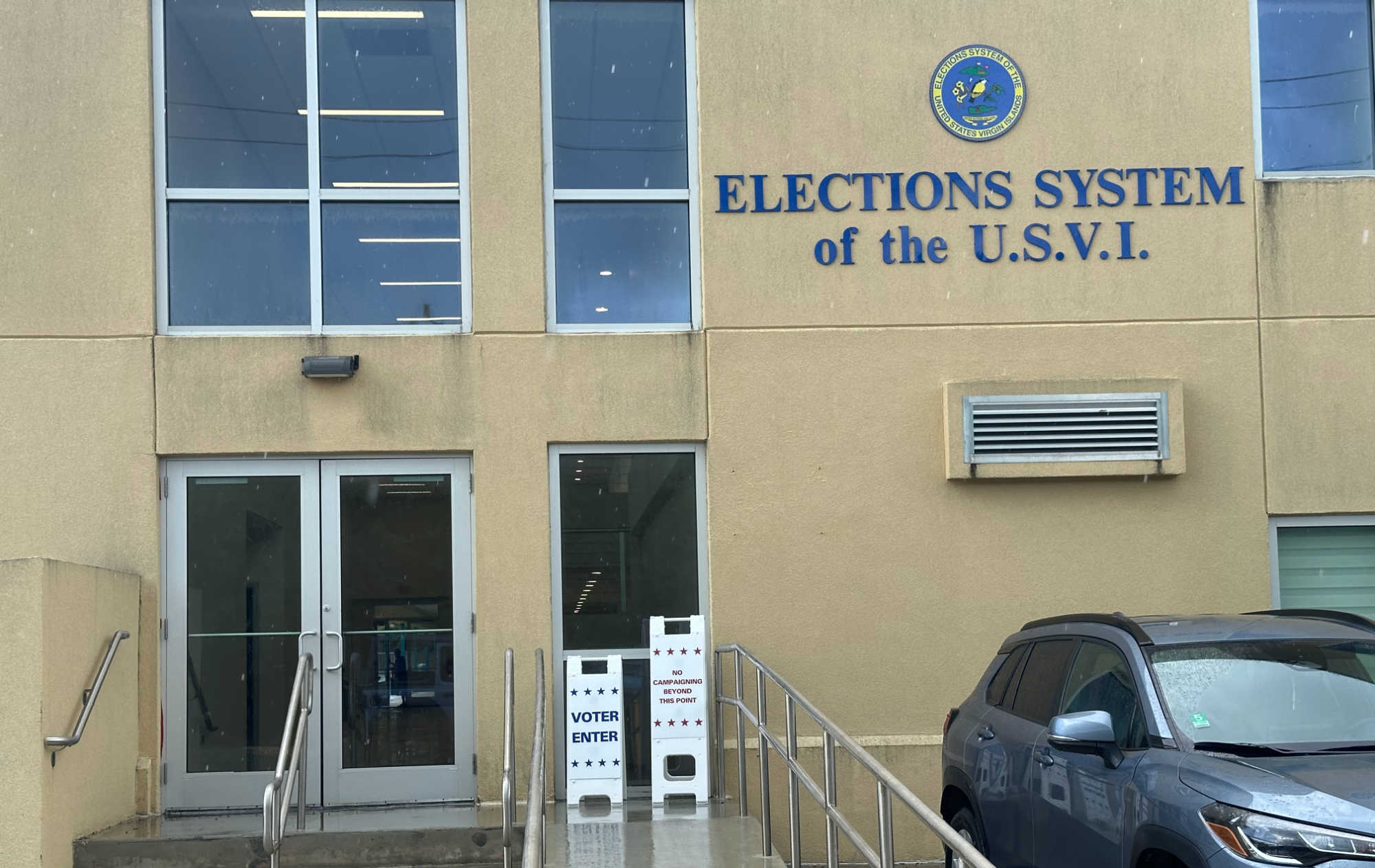
The lawsuit, filed Thursday in District Court, names the Election System of the Virgin Islands, Supervisor of Elections Caroline Fawkes, and Board of Elections Chair Raymond Williams as defendants.
According to the civil complaint, ESVI appears to be preparing to conduct this year’s primary election without taking into account the Democratic Party’s submitted plan for selecting its candidates for the general election in November.
The Democratic Party says that plan was adopted last October in response to a January 2024 ruling by V.I. District Court Chief Judge Robert Molloy in favor of the Republican National Committee and the Republican Party of the Virgin Islands. In that case, the court struck down several Virgin Islands elections laws after finding that the government could not reject a political party’s process for selecting its officers and candidates for public office.
The court also ruled that government officials could not designate the time and location of a party’s organizational meeting after a primary election. Other provisions of the elections code were also rendered unenforceable, including those that allowed the Election System to dictate that party primaries be held on the first Saturday in August, determine the makeup of territorial committees, and require electoral approval over matters such as term limits, voting districts, and the number of elected members serving on those committees.
According to the new lawsuit, the Democratic Party developed its own election and certification plan to align with that ruling and submitted it to ESVI and the Board of Elections in late January 2026 for implementation. The complaint alleges that there has been no substantive response from either the Supervisor of Elections or the Board of Elections.
Nonetheless, the lawsuit says ESVI began moving forward with preparations for the 2026 primary in March without acknowledging or using the Democratic Party’s plan. Notices about the availability of nomination petitions and papers have already been posted on the ESVI website, according to the complaint.
The Democratic Party argues that action consistent with its plan must be taken at least two months before the August 1 primaries. If ESVI and the Board fail to account for the plan, the complaint contends, this “will deprive DPVI and voters of their freedom of association and freedom of speech to select the party candidates of their choice without government interference.”
The party is asking the court to declare ESVI’s current plan for this year’s primary election unconstitutional. It is also seeking an injunction to stop election officials from moving forward under the current process and wants the court to order officials to work together to implement the Democratic Party’s plan for conducting its primary election.

As of press time, no legal responses had been filed by any of the named defendants.
Related News

Lt. Governor Warns Businesses to Renew Trade Names on Time or Risk Losing Them

“Know Ourselves” – Female artists review peers

VI National Guard Exits Federal Oversight After Six Years of Transformation