Iranophobia: Netanyahu’s bid to transform fear into political survival
 13 November 2026
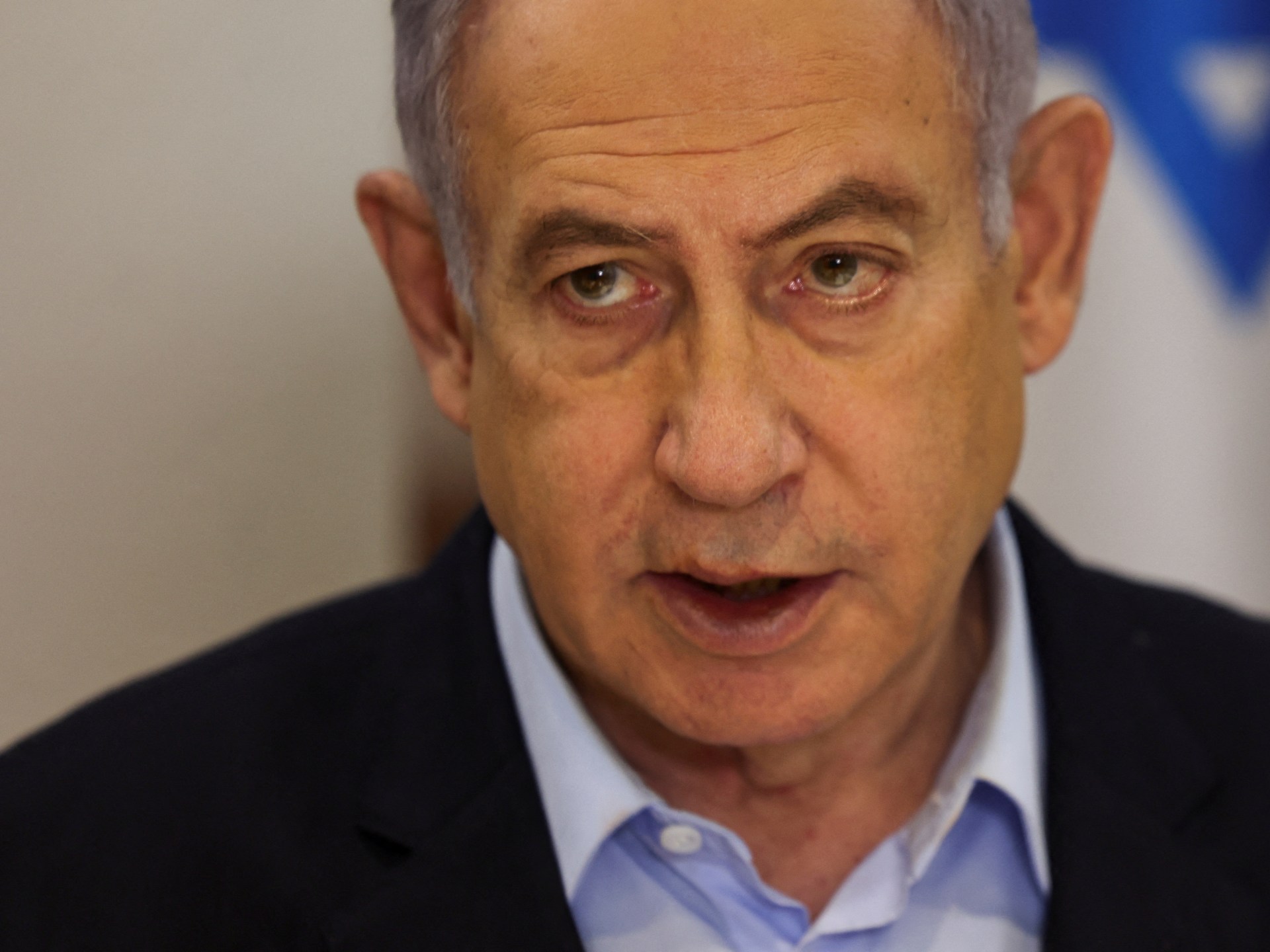

As the right-wing coalition government that oversaw the genocide in Gaza, launched attacks across the region, and eroded civil liberties at home appears to lose its grip on power by the day, caretaker Prime Minister Benjamin Netanyahu’s increasingly frantic efforts to derail the political transition suggest a growing desperation to stay in office.
Among those efforts appears to be an attempt to reignite the war with Iran. Netanyahu has reportedly ordered the Israeli military to prepare for war ahead of a potential attack on Iran, in defiance of the opposition’s calls for restraint.
- list 1 of 4Netanyahu fights to stay relevant as Israel’s opposition closes in
- list 2 of 4Is Washington rethinking its relationship with Israel?
- list 3 of 4Iran warns of expanded retaliation as Israel reportedly readies to attack
- list 4 of 4Netanyahu’s legacy: Personality politics reshapes Israeli democracy
end of list
The reports follow revelations that Netanyahu had been phoning US President Donald Trump almost daily to press for renewed strikes on Iran. Israeli media have also reported repeated confrontations between Netanyahu and military chief Eyal Zamir, who has resisted proposals for military action against Iran, warning that they could trigger a wider conflict.
Opposition leader Gadi Eisenkot has been tasked with forming a viable government, but that is not a foregone conclusion. Netanyahu has been pushing for a national unity government that would include himself and his Likud party, or waiting for Eisenkot to fail, leading to another election.
“Netanyahu is desperate,” Ahron Bregman, an Israeli political analyst at King’s College London, said. “He knows – and you can see it from his behaviour – that it is likely that he is politically done, and only a national unity government could save him.”
“A little war could compel Eisenkot & Co,” he said, referring to the opposition bloc and its leader, Gadi Eisenkot, “to form such a government in a time of crisis.”

Cynical obedience
Many in the opposition, including Eisenkot himself, have accused Netanyahu of attempting to drag the country into a potentially devastating war for his own political survival, or of deliberately stalling the coalition-building process in the hope of running down the clock and forcing another election.
Advertisement
Yet while critics see Netanyahu’s attempts to reignite war with Iran as a cynical bid to retain power, analysts have suggested that even his fiercest opponents could rally behind him if he does launch an attack.
“It’s paradoxical,” said Haggai Ram, a professor at Ben-Gurion University and author of the book Iranophobia, which details Israel’s longstanding hostility to Tehran. “Everyone knows it would be contrived, but the hysteria over Iran cuts through everything. If Netanyahu succeeds, and manages to start a war with Iran, of course the opposition would fall in behind him, and the public would expect them to. They’d recognise the cynicism for what it was, but this is Iran. This is the great enemy.”
“For the former military members of the opposition, confronting Iran was what they spent their entire lives training for. For the public, after years of being told of the Iranian threat, many already see the war as inevitable,” he said.

Price worth paying
Israel’s decades-long cold war with Iran has been a constant throughout much of the Israeli population’s lifetime. For decades, Israelis have lived with the threat of attacks from Iran’s regional allies, including Hezbollah in Lebanon, whose rhetoric threatening Israel’s destruction has been widely reported in Israeli media.
That fear has been reinforced by repeated warnings from Israeli leaders, dating back to at least the 1990s, that Tehran was on the brink of acquiring a nuclear weapon and would likely use it against Israel.
Tensions came to a head as Israel launched multiple wars across the region following the Hamas-led attack on October 7, 2023. A 12-day exchange of strikes with Iran in June 2025 was followed by a joint attack with the US launched in February, which has disrupted some of the world’s critical waterways, thrown financial markets into turmoil, and affected household expenditure across much of the world.

Nevertheless, another war with Iran may offer Netanyahu a route out of the political bind he finds himself in, political psychologist Daniel Bar-Tal of Tel Aviv University suggested.
Advertisement
As things stand, a majority of the public oppose him and his coalition, and, in Bar-Tal’s framing, he is “fighting for his life”, with multiple active criminal cases against him.
Although Bar-Tal doubted that Trump, Israel’s principal ally and military backer, would allow Netanyahu to derail US negotiations with Iran, he believed that Israelis would still “support such a war, and this is a good card for him to play [to create the] turmoil” needed to extricate himself from his current predicament.
For now, Ram said, Israel maintains what, for many, feels like a state of permanent expectation.
“People know that any case for war would be manufactured,” he said. “They’re not stupid and they see it for what it is. However, many people – including some of my friends and students – regard it as inevitable. They’re just waiting, and if and when it happens, despite everything they know, they will still report for duty and do what they’re ordered.”
Related News
Write-In Ralph: South Carolina Republicans challenge Trump’s Senate pick
Pakistan suspends Iran border trade, amid violence on both sides
A month after Yemen government offensive began, war of attrition takes hold