Anthrax outbreak kills hippos in DR Congo’s Virunga National Park
 02 November 2026
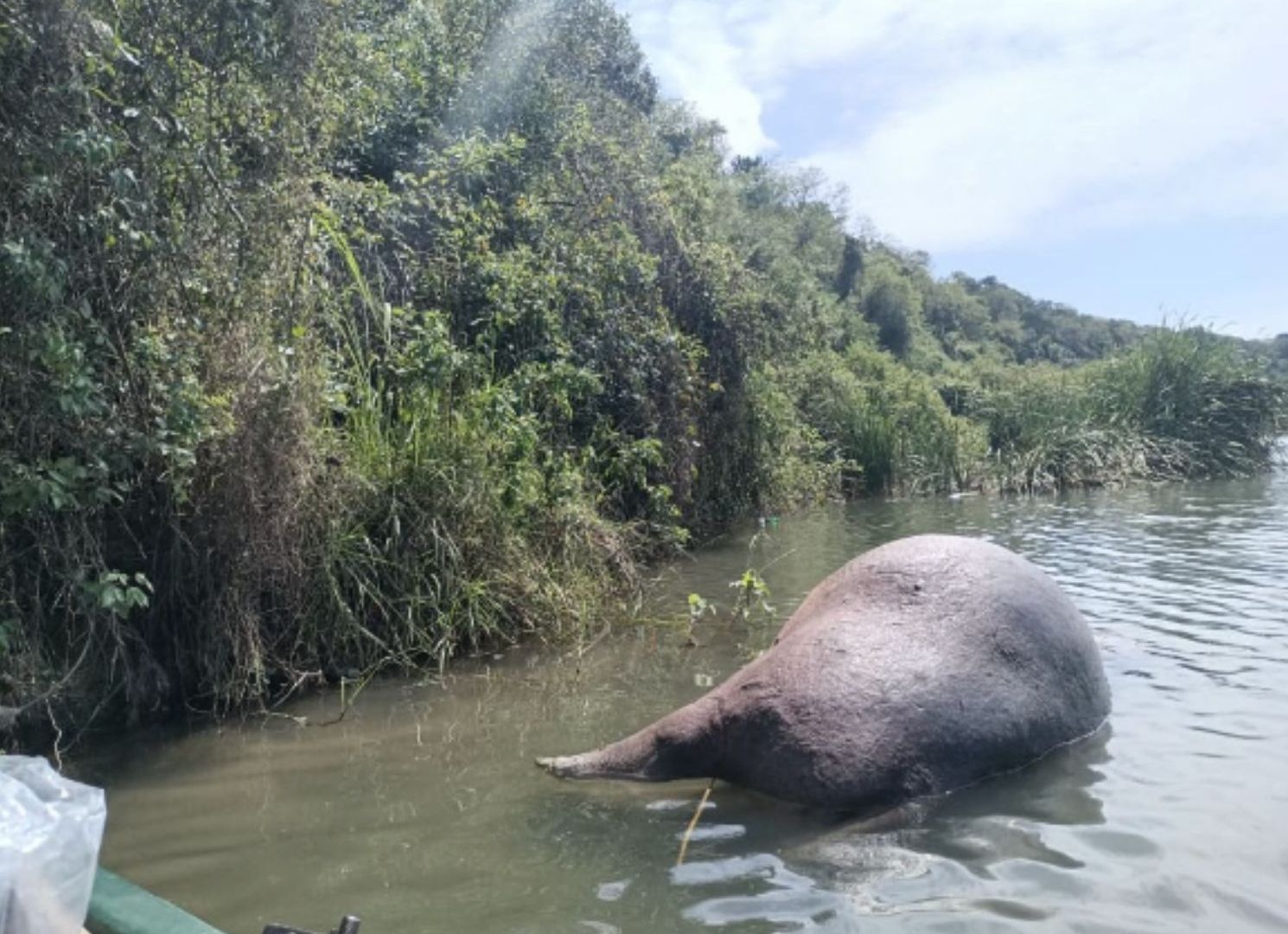

Vitshumbi, DR Congo – While the Democratic Republic of the Congo (DRC) continues to grapple with the deadliest Ebola outbreak in its history, another disease is taking a heavy toll on wildlife in Virunga National Park in the country’s east.
Over the past four weeks, hippopotamus carcasses have been discovered in the Semuliki River, west of Africa’s oldest national park, raising concern among communities living along its banks.
- list 1 of 3Fears grow in DRC as former President Joseph Kabila joins rebellion
- list 2 of 3Hamilton calls for Palestine and DR Congo freedom as Rwanda takes F1 spotlight
- list 3 of 3Ebola death toll in DR Congo passes 5,000
end of list
“It was in mid-September that we began to notice the mass deaths of hippos in the Semuliki River. We have started to fear this situation, which is unfolding whilst we are in the midst of the Ebola outbreak,” Michael Kambale, a resident of the Vitshumbi enclave, about 100 kilometres (62 miles) north of Goma, the capital of North Kivu province, told Al Jazeera.
Following laboratory tests, Virunga National Park confirmed that anthrax, caused by the bacterium Bacillus anthracis, was responsible for the wildlife deaths.
According to park officials, 28 hippos died over approximately one month.
“This disease can be transmitted to humans through contact with a dead or sick animal or by consuming its meat,” Virunga National Park said in a press release sent to Al Jazeera.
Anthrax threatens wildlife and local communities
Joel Mbusa Mapoli, an expert in ecology and veterinary medicine, said the deaths represented a significant loss for Virunga National Park and called for urgent action to contain the outbreak.
He explained that hippos act as ecosystem engineers, altering nutrient flows and the ecological conditions of their habitats.
Advertisement
Virunga National Park said it was focusing on surveillance, the safe management of carcasses and reducing risks to wildlife and local communities.

“Teams are monitoring the affected area, recording new cases of mortality and coordinating the safe handling and disposal of carcasses,” the park said.
“People living in the affected area and its surroundings are being informed about the outbreak; they are advised not to touch, skin or consume animals found dead, and to report any carcasses or suspected cases to the relevant authorities,” the park added.
Founded in 1925, Virunga is Africa’s oldest national park and is renowned for its biodiversity.
Conflict puts conservation at risk
Olivier Ndoole Bahemuke, a Congolese environmental activist and head of Alerte Congolaise pour l’environnement et les droits de l’homme, a nonprofit organisation operating in the DRC, said the armed conflict that has persisted in the country for nearly three decades had fuelled poaching and deforestation.
The park says it has lost control of a significant part of its territory over the past four years because of the ongoing conflict between the Congolese army and M23 fighters.
The M23 armed group says it is helping protect the area from poachers and other potential human threats.
Drought and recurring anthrax outbreaks
Park officials said anthrax outbreaks had previously been observed among hippos and other wild animals in the ecosystem during periods of drought.
According to Mapoli, several factors contribute to recurring anthrax outbreaks in Virunga National Park. These include the persistence of the bacterium in the environment, deteriorating ecological and climatic conditions, the concentration of animals around aquatic habitats and difficulties in monitoring wildlife health.
“When vegetation becomes scarce, herbivores may graze closer to the ground and congregate around the few remaining grazing areas and water points, thereby increasing their exposure to contaminated soil,” Virunga National Park said in a statement sent to Al Jazeera, adding that the situation was being monitored “closely”.
The park’s February 2026 census estimated the hippo population at more than 2,700, distributed across 171 groups.
In 2025, an anthrax outbreak killed 65 hippos in Virunga National Park, according to the park’s February 2026 population update. Park staff mobilised excavators to retrieve the carcasses from the water.
According to park officials, anthrax can survive for decades in the soil in the form of spores.
Advertisement
Protecting hippos means protecting the ecosystem
Mapoli said the response to anthrax should combine conservation measures with public health interventions, in line with the One Health principle, an approach that recognises the links between human, animal and environmental health.
He called for stronger epidemiological surveillance, better protection for local communities, proper management of animal carcasses and greater collaboration among state, non-state and para-state bodies.
“The hippopotamus is one of the flagship species of the Virunga ecosystems. Its disappearance could lead to a major disruption of aquatic ecosystems, as these animals play a role in the exchange of matter between terrestrial and aquatic environments,” he told Al Jazeera.
Related News

Pro-Palestine Greens challenge Labour’s grip on Starmer’s former seat

US lifts sanctions on daughter of military-linked Myanmar businessman

Canadian publisher cuts ties with best-selling writer Orelien over AI use