How a grass fire at a Canadian military base killed four soldiers
 19 October 2026
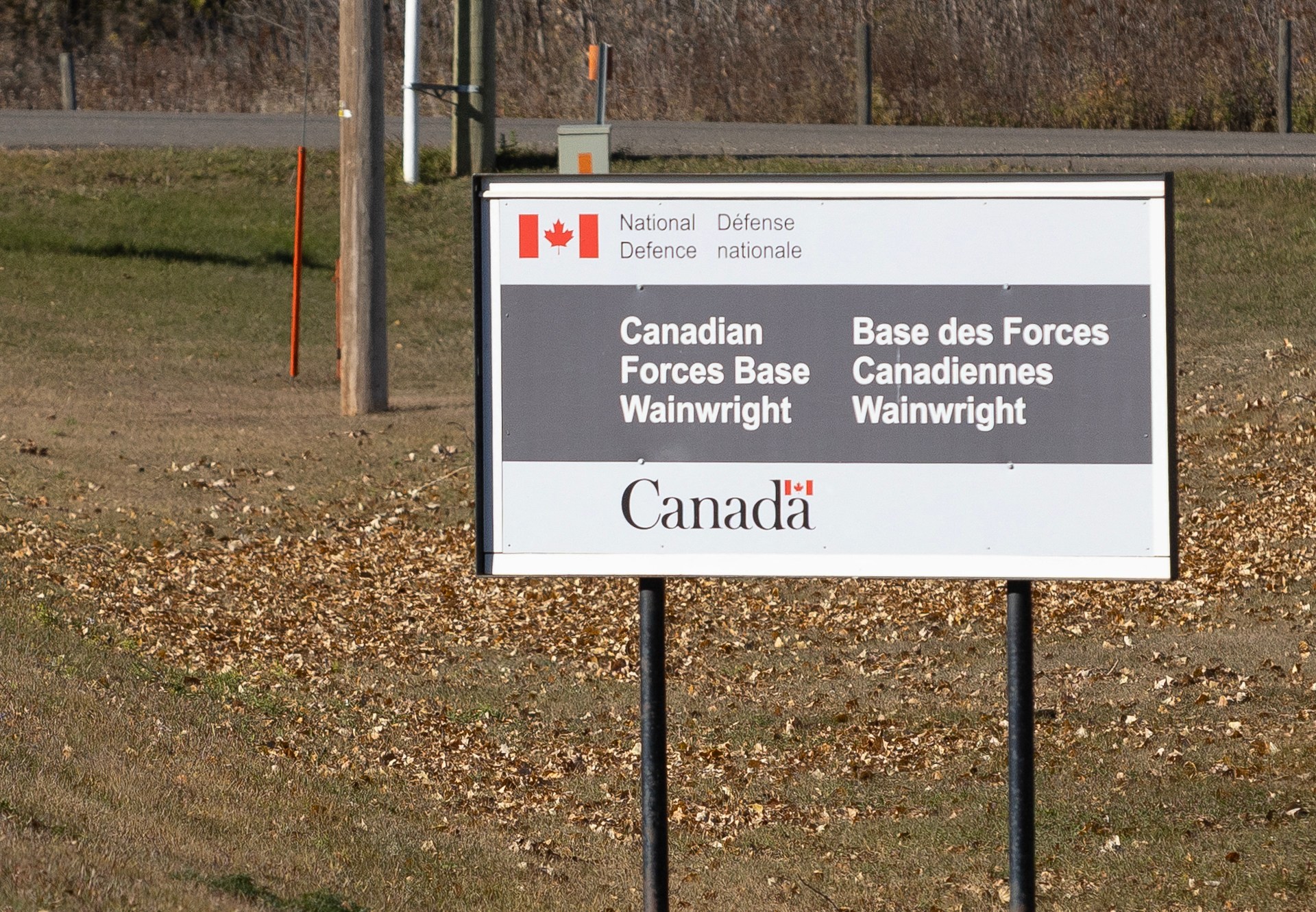

On Saturday morning, Canadian military officials at a base in Alberta province observed a grass fire that appeared sufficiently contained, allowing soldiers to conduct live-fire combat training. Then, the officials say, the wind shifted.
In less than a minute, Canadian soldiers went from training drills to being engulfed in flames, said Major-General Wade Rutland, describing the incident that killed four soldiers and injured 39 people, 19 of them critically.
“The fire was a kilometre away when the wind shifted. That is not normal for a fire to move a kilometre in 36 seconds,” Rutland said at a news conference in Edmonton, the capital of Alberta, on Sunday.
While the cause of the grass blaze remains unknown, Prime Minister Mark Carney described the incident as one of the worst peacetime tragedies for Canada’s military on domestic soil.
So how did the grass fire spread so fast, and why is this base significant?

What is a grass fire?
A grass fire spreads through dry grass, weeds, shrubs and other low-growing vegetation. Unlike forest fires that burn through trees and woodland, grass fires spread across open fields, grasslands and plains.
They can move exceptionally quickly because dry grass ignites easily and provides a continuous source of fuel, and wind can play a pivotal role in how the fire develops.
Strong winds push flames rapidly across open terrain, change their direction with little warning, and carry burning embers ahead of the main fire, potentially igniting new fires.
Advertisement
The uncertainty of winds makes grass fires difficult to predict and contain, particularly in dry conditions.
They may burn for a shorter time than a forest fire, and while they are easier to contain, the speed at which they can spread in dry conditions can make them lethal.
Grass fires can start naturally but can also be ignited by human activities, such as discarded cigarettes or equipment sparks.
What happened at the base?
The fire spread on Saturday afternoon during high-intensity combat training involving Charlie Company of the 3rd Battalion, Princess Patricia’s Canadian Light Infantry, at Canadian Forces Base Wainwright in Alberta, western Canada, about 210km (130 miles) southeast of Edmonton.
The area lies in the prairies, a landscape of wide, open grasslands, rolling plains and scattered groves of trees. The base is also one of the Canadian Army’s largest training centres and a key facility for preparing troops for operational deployment.
About 84 soldiers were split between a grenade range and an area where they practised attacks on simulated enemy positions. The fire swept into the second training area.
Rutland said investigators would examine whether the wind drove the fire towards the soldiers or whether flames spread unseen through vegetation before suddenly overtaking them.
Large areas of Alberta were hit by a windstorm, with gusts up to 100km/h (62mph). The winds toppled trees, sent signs flying and pushed flames beyond the base into surrounding rural areas.
The fire also disrupted advance voting ahead of Monday’s referendum on whether Alberta should begin a process that could lead to independence from Canada.
On Sunday, the Canadian media reported that the fire could have worsened after a gas facility was struck during a live firing exercise. However, the military later clarified that investigators do not believe any explosions were caused by oil or gas infrastructure.

Were there initial warnings?
Global News, a Canadian publication, reported that an armed forces memo obtained by it noted the fire risk was assessed as low for the scheduled live-ammunition exercise, greenlighting soldiers to train.
However, Environment Canada had issued a strong-wind warning earlier that day, forecasting gusts of up to 100km/h in parts of Alberta.
The memo also noted that blazes jumped a fire guard and spread outside the base, forcing the evacuation of one family home.
“During training, a grass fire ignited, and strong winds caused the fire to spread rapidly and shift direction; the fire shifted toward the personnel on the range and overtook their admin area,” the memo states.
Advertisement
Global News reported that the memo warned that the situation was “fluid” and the casualty figures “may change over time with ongoing assessments” of status.
The Wainwright base is one of the country’s largest and most used military facilities, especially for training soldiers. It spans 609sq km (235sq miles) and is home to 25 weapons ranges.
During the final months of World War II and for several months in 1946, the base was used as an internment centre for German prisoners of war.
Related News
Search continues for 11 missing after boat sank off Mexico’s Baja coast
US withdraws B-1 bomber aircraft from UK’s Fairford base amid Iran fears

Mike Waltz: US offered to sell Iran uranium for civilian programme