State of world getting worse as UN Security Council paralysed: Guterres
 21 September 2026
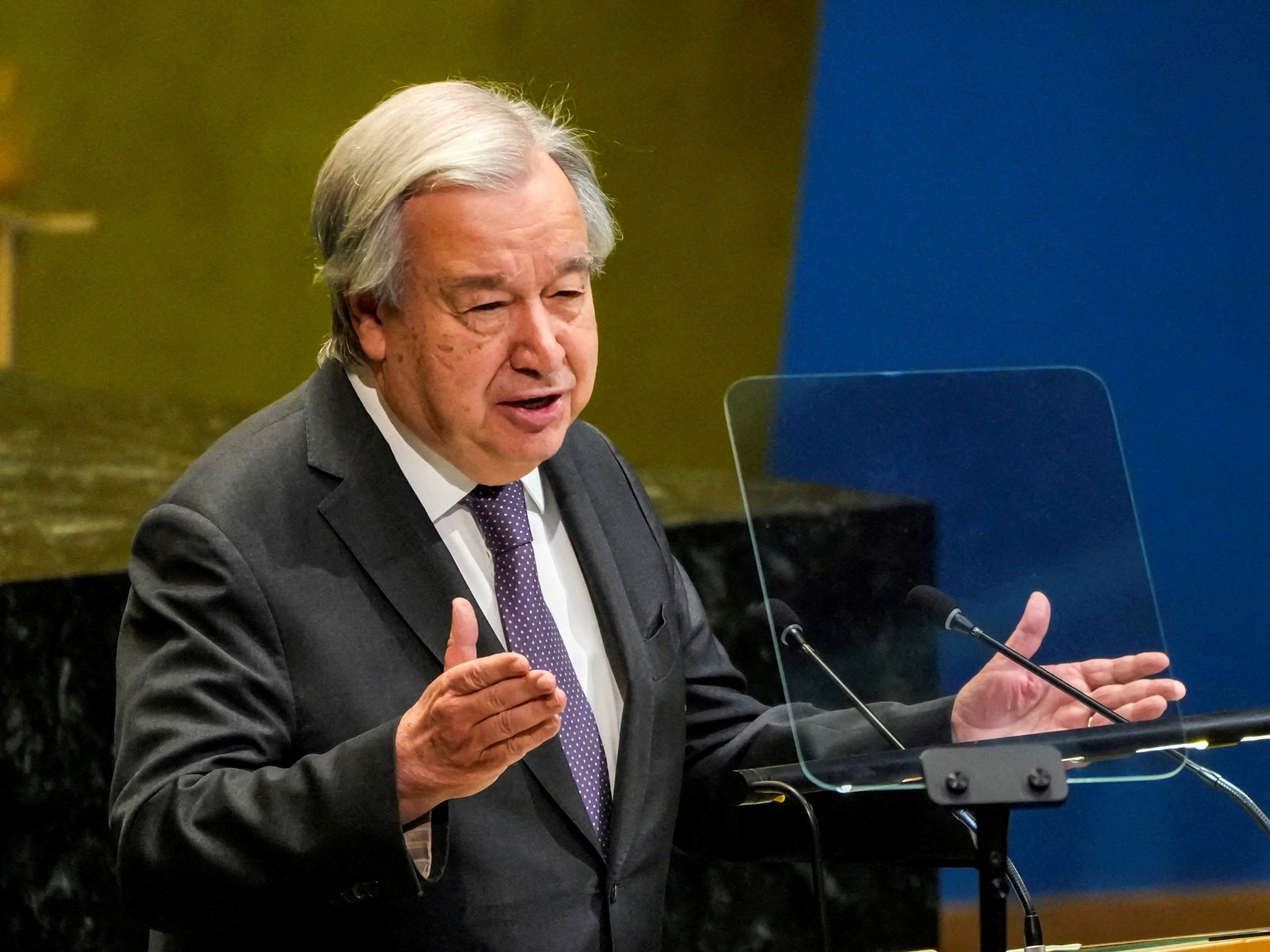

The state of the world seems to be getting worse due to a “dramatic geopolitical divide” that is leaving “the most vulnerable countries and populations in very dramatic situations” and that “paralyses the Security Council”, United Nations Secretary-General Antonio Guterres has told Al Jazeera.
Speaking on Monday, the first day of the four-day-long UN General Assembly (UNGA) in New York City, Guterres said that major military conflicts happening in the world at the moment, the Russia-Ukraine war and the US-Israel war on Iran, have created a crisis due to the continued violations of international law by “superpowers” that are key members of the UN Security Council (UNSC).
- list 1 of 4Why do Sudan’s humanitarian truces keep failing and who is to blame?
- list 2 of 4Israeli forces arrest dozens of Palestinians in occupied West Bank raid
- list 3 of 4CNN, Politico, MS NOW sue Trump administration over White House ban
- list 4 of 4What’s the US–China AI ‘hotline’ that Trump plans to pitch to Xi Jinping?
end of list
“That creates an environment of impunity, in which midsize powers believe that they can do whatever they want because nothing will happen to them,” Guterres told Al Jazeera, admitting that “wars are becoming multiplied, and more and more complex”.
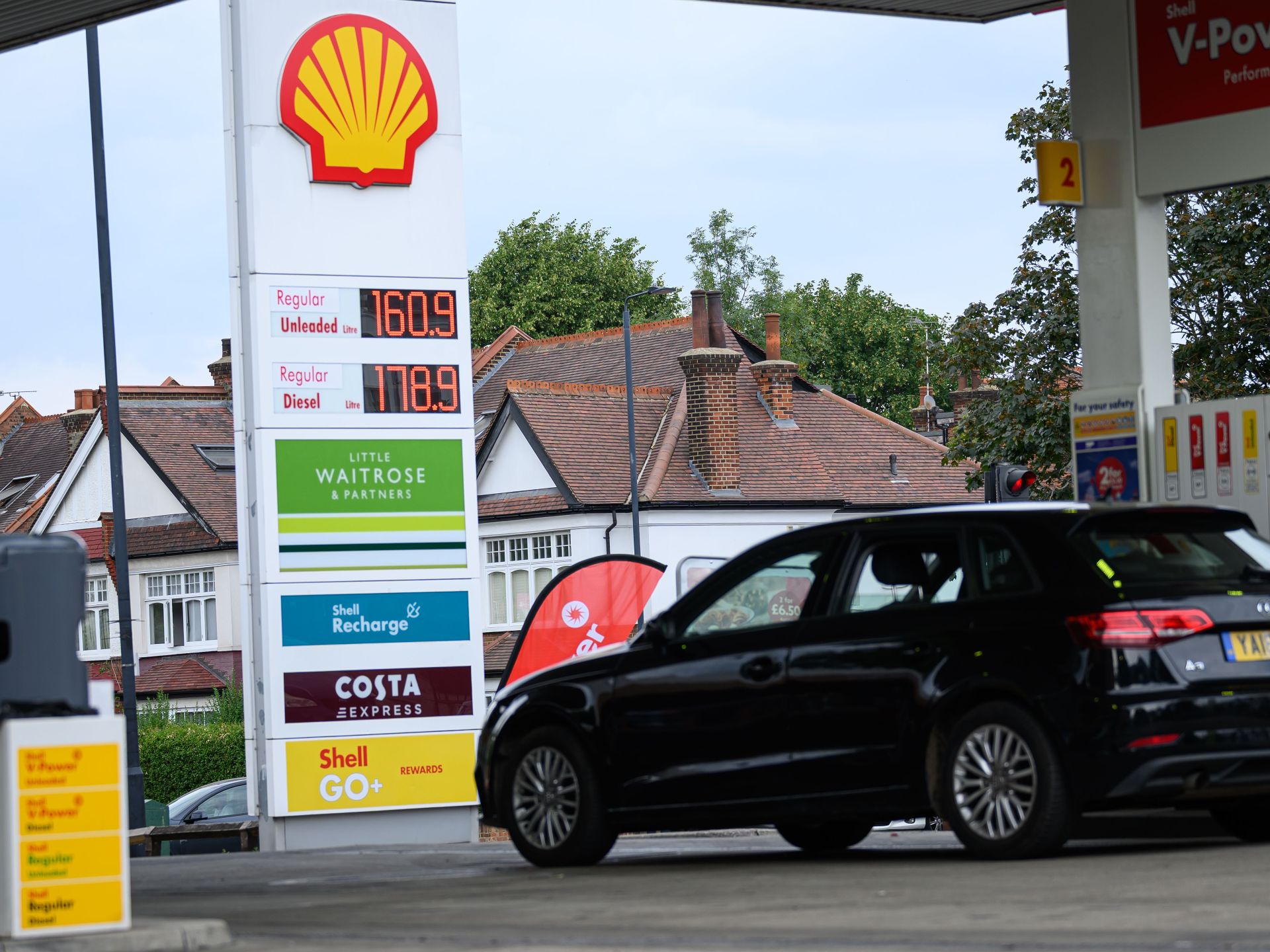
The UN chief outlined the real-life impacts that these two wars are having on people on a humanitarian level, particularly around food accessibility, rising fuel prices, and global inflation.
“The combination of the war in Ukraine with the problems of exports of foods, fertilisers, and energy through the Black Sea, if you combine it with the difficulties in the Strait of Hormuz [in the Gulf], in the Bab al-Mandeb [in the Red Sea], and in the attacks [on] oil installations in several countries of the [Middle East] region, we are creating a situation that has a devastating impact on many economies around the world,” Guterres said.
Advertisement
He added that rising interest rates and fuel prices in developed countries could eventually be managed, whereas people in the developing world “are in a desperate situation” due to the increasing energy and food costs and the lack of fertilisers.
Guterres, who previously served as prime minister of Portugal and UN high commissioner for refugees, has been the UN chief since January 1, 2017, though his mandate is coming to an end on December 31, 2026.
His successor, who is yet to be named, will take charge of an organisation that is grappling with multiple crises and is, in Guterres’s opinion, in dire need of reforms to stay relevant and important on the global stage. He notably cited the UNSC, saying it “still essentially represents the world of World War II”.
Candidates in the running to replace Guterres include the International Atomic Energy Agency’s Rafael Grossi, former Senegalese President Macky Sall and Ecuadorian diplomat Maria Fernanda Espinosa.
To be recommended by the UNSC, a candidate for UN secretary-general needs at least nine of the council’s 15 members to vote in favour and must avoid a veto from any of the five permanent members – China, France, Russia, the United Kingdom and the United States – before a final vote in the UNGA.
Related News
Canada to hit US with retaliatory tariffs as trade war escalates
Trump threatens more strikes as death toll in Iran rises to 18
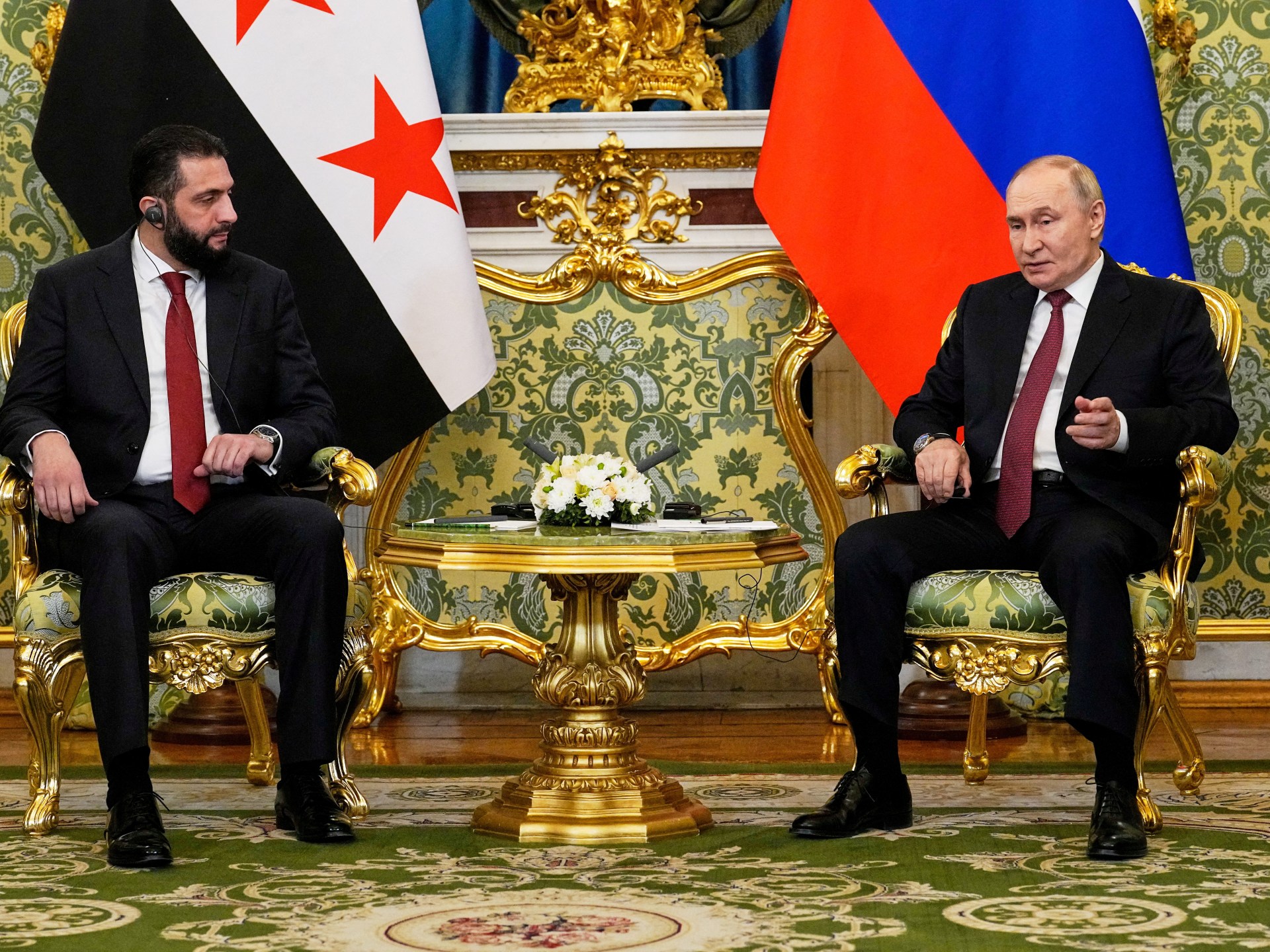
Putin and al-Sharaa discuss Russia-Syria relations, deal on military bases