Pakistan pledges full committment to defence of Saudi Arabia
 18 September 2026
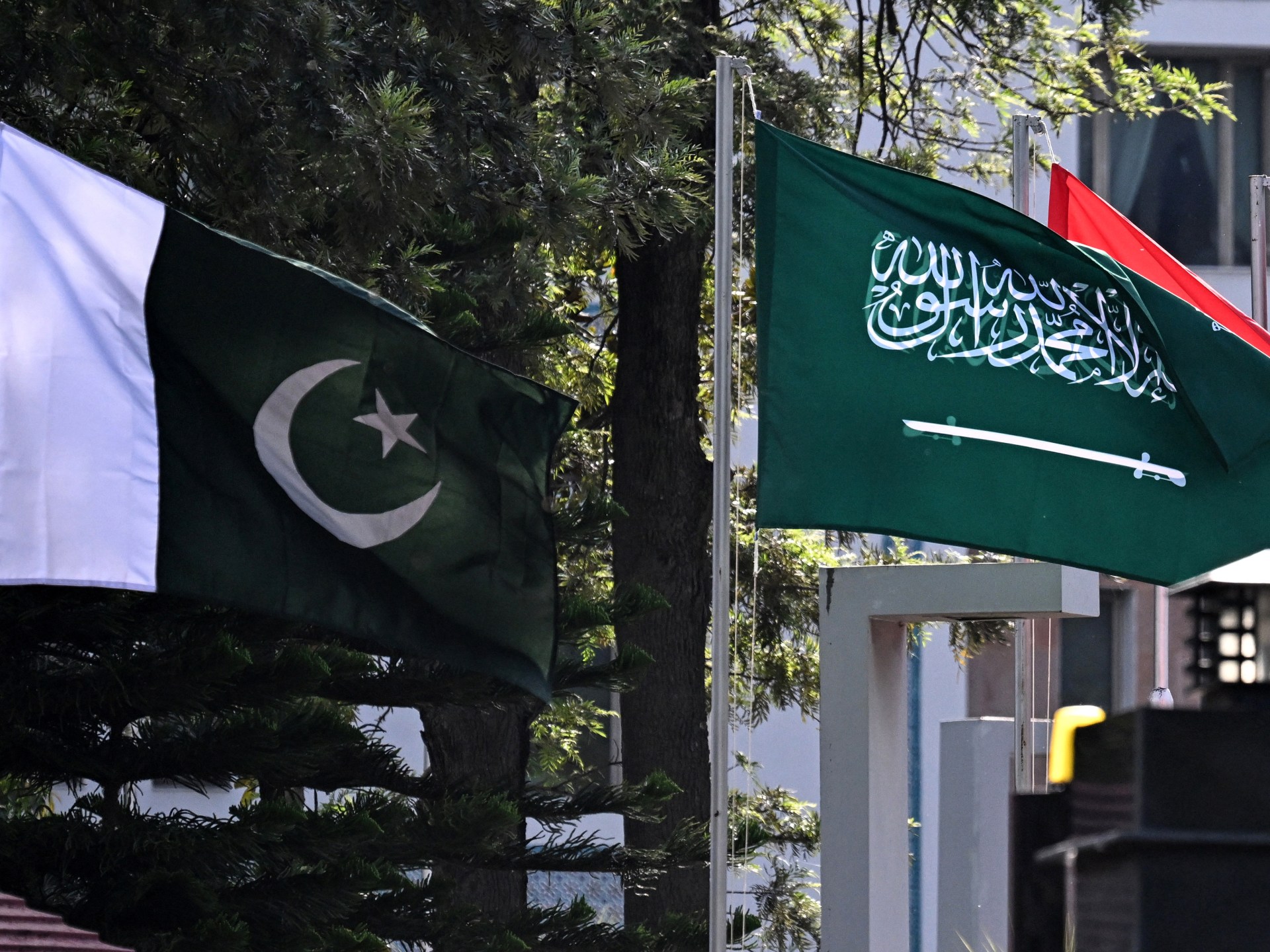

A senior officer from Pakistan’s military has pledged that his country will defend Saudi Arabia against aggression “to any extent”.
Lieutenant-General Ahmed Sharif Chaudhry, director-general of the Pakistani military’s media wing, told the Saudi newspaper Arab News on Thursday that Islamabad stands with Saudi Arabia diplomatically and physically.
The promise comes as questions swirl about the stance of Pakistan and Turkiye – both of which signed defence pacts with Riyadh recently – as Yemen’s Houthis intensify their attacks on Saudi Arabia.
“I would like to underscore here the word ‘physically’,” Chaudhry said. “We will go to any extent.”
Pakistani forces are already deployed to protect the kingdom and Islam’s two holiest sites, in Mecca and Medina, he added.
“We are there to protect them, and we will go to any extent further as required by the Saudi leadership and the people of Saudi Arabia.”
However, he did not say whether Riyadh had requested more Pakistani troops or direct involvement against the Houthis.

The Strategic Mutual Defence Agreement, signed by Riyadh and Islamabad in September 2025, says that aggression committed against either country would be regarded as an attack on both.
Invoking this bilateral agreement, Pakistan deployed fighter and support aircraft to Saudi’s King Abdulaziz Air Base in April, after the kingdom came under attack by Iran and its allies.
Advertisement
Alongside Turkiye, the pair then signed off on a mutual defence pact as part of the Mecca Strategic Mutual Defence Agreement last month. However, the pact has yet to be made operational.
Unprovoked aggression against Saudi Arabia, or a spillover of the Yemen conflict into the kingdom, would trigger the pact, Pakistan’s Defence Minister Khawaja Asif said earlier this month, but he did not share specific details.
While neither agreement’s full operational provisions have been made public, Turkish Foreign Minister Hakan Fidan has said the Mecca pact works like NATO’s collective defence clause, with the country under attack requesting help from its treaty allies.
However, Pakistan and Turkiye are also anxious to remain mediators in the conflicts roiling the Middle East, and are therefore believed to be unenthusiastic about direct involvement in hostilities.
Chaudhry also stressed that Pakistan continues to work with regional partners towards “a negotiated, peaceful outcome” to the regional crisis triggered by the United States and Israel war on Iran.

Escalating attacks on Saudi Arabia by Yemen’s Iran-aligned Houthi rebel group are putting these pacts to the test.
Pakistan’s Foreign Office said last week that no military response was under discussion under the agreement at the moment, adding that Islamabad would act “when time comes”.
Earlier this week, the Saudi-led coalition in Yemen said it intercepted a Houthi drone heading towards Mecca, inflaming religious sentiments and drawing a fiery condemnation from Pakistani Prime Minister Shehbaz Sharif. On Thursday, Houthi leader Abdel-Malik al-Houthi denied targeting the city, calling it a “heinous lie”.
Islamabad maintains diplomatic channels with Iran, which backs the Houthis.

For their part, the Houthis say they will stay on their current course.
On Friday, the group said Saudi Arabia had carried out about 37 air strikes across Yemen in recent hours, promising to respond by “striking deep inside Saudi territory”.
Al Jazeera’s Nabil al-Yousefi, in Sanaa, reported that Houthi authorities have said the strikes targeted al-Jawf, Saada, Hajjah, Taiz and Lahj governorates, killing five people, three of them children.
Advertisement
The strikes also allegedly targeted telecommunications towers in several localities and were carried out by jets launched from Saudi airbases, Yousefi cites local sources as saying.
In response, the Houthis said they would keep hitting Saudi bases, naming King Khalid Air Base and King Fahd Air Base, in particular.
An overnight attack on the latter resulted in damage to an Italian fighter jet, Italian Defence Minister Guido Crosetto said.
The Houthis also said they would target “oil companies far away from the holy sites”, Yousefi reported.
Related News
Lebanon security talks in Paris to focus on post-UNIFIL alternatives
Bangladesh holds presidential election in first contested vote in 35 years
Ebola outbreak ‘growing faster, wider’ as DRC death toll passes 2,500: UN