Is the US-Saudi nuclear deal on, or in limbo?
 24 July 2026
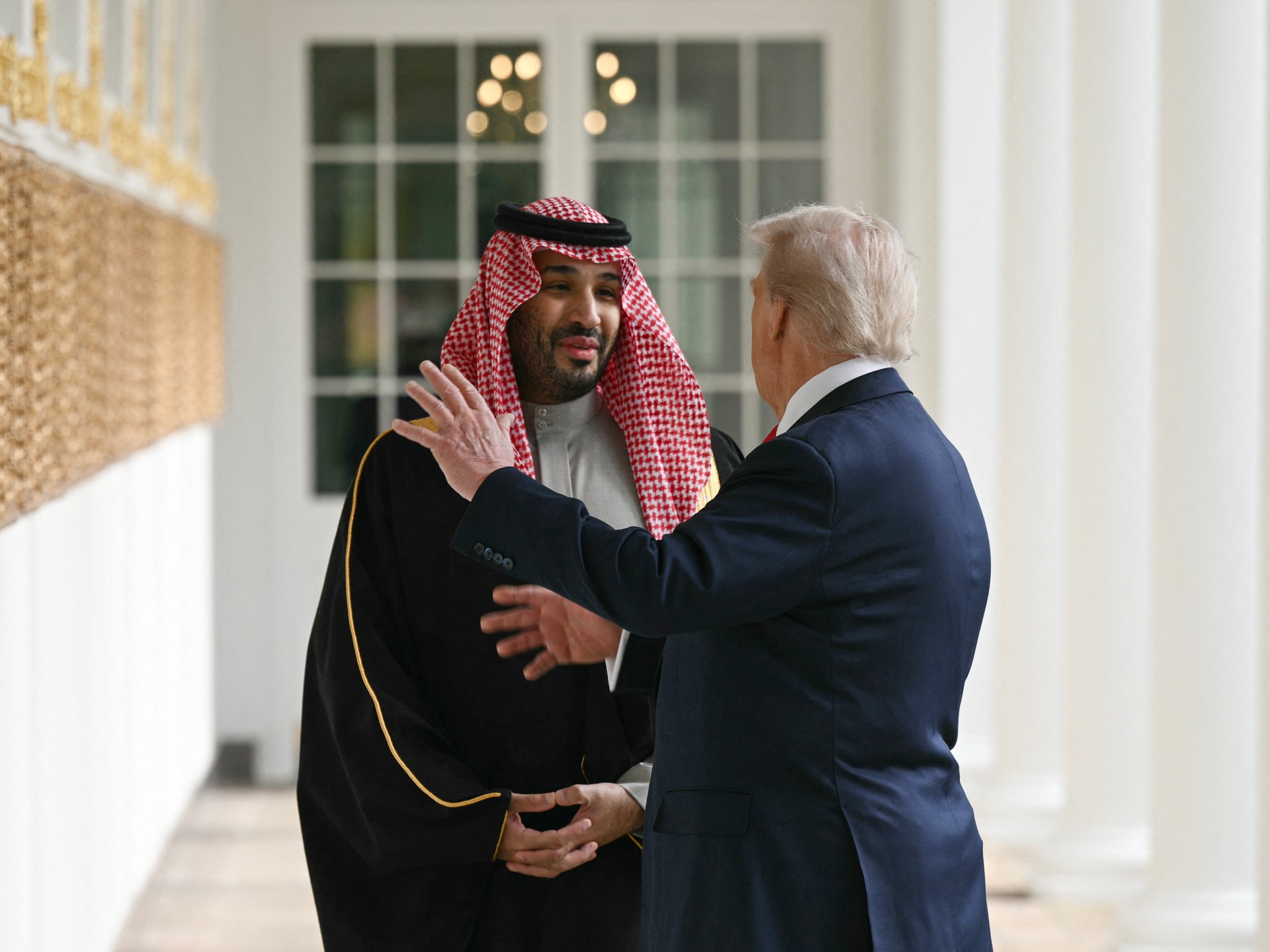

The United States and Saudi Arabia have agreed a nuclear cooperation deal to establish a civilian nuclear programme in the kingdom.
This would allow Riyadh to harness nuclear power to generate electricity, allowing it to export more of its natural resources and deal with an expansion of energy-hungry data centres.
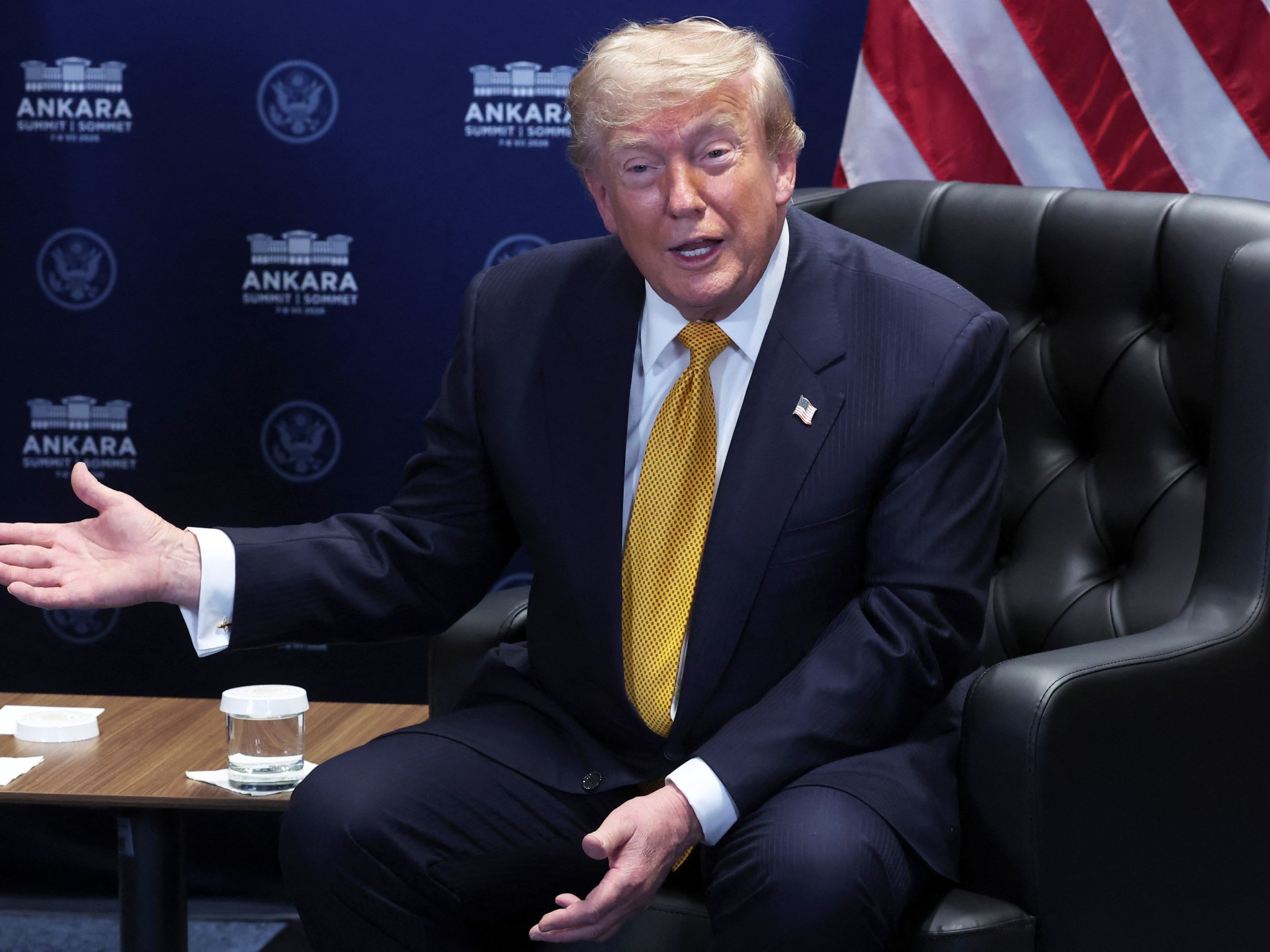
But a day later, US President Donald Trump announced a new condition on social media, saying that Saudi Arabia must first normalise relations with Israel.
So, what is the status of the US-Saudi nuclear deal and what does this mean for Riyadh?
What is Saudi Arabia’s position on normalisation with Israel?
Saudi Arabia has long insisted it will not establish formal relations with Israel until there is a clear path for Palestinian statehood, which Israel’s current government staunchly opposes.
Riyadh has yet to respond to Trump’s latest statement tying the nuclear deal to normalisation.
The new nuclear deal is expected to last 30 years, transferring US technology and expertise to the kingdom to help meet the kingdom’s growing energy needs.
While its full text has not been released, some details have emerged through media reports. The Wall Street Journal reported that one provision would potentially see US companies build a uranium enrichment facility in the kingdom, though Trump in his social media post suggested Saudi-based enrichment may be off the table.
Saudi Arabia’s Ministry of Energy said the agreement bolsters “efforts to diversify energy sources, advance cutting-edge technologies, and expand opportunities for cooperation and investment in ways that serve the mutual interests of the two friendly countries”.
Advertisement
Trump said the deal “pertains only to nonmilitary use such as the ones that Iran and UAE (and others) already have”.
What’s next for the deal?
The deal must first be submitted to the US Congress for review.
However, Trump’s new condition of Saudi-Israeli normalisation has complicated the path forward, leaving it unclear when, or whether, the deal will be put before Congress.
Saudi Arabia has long insisted that it will not recognise Israel without a pathway for the creation of an independent Palestinian state, something that Israeli Prime Minister Benjamin Netanyahu has ruled out.
Steven Cook, a senior fellow for Middle East and Africa studies at the Council on Foreign Relations, wrote that Trump’s demand has left the deal “in a state of diplomatic suspension”.
“This situation is likely to cause tension between Washington, which treats the president’s social media posts as official policy, and Riyadh, which has committed to a diplomatic agreement,” wrote Cook in a post published by the Council on Foreign Relations.
If the deal fails, Saudi Arabia could change course and look to cooperate with other countries with nuclear industries, such as China, Russia, South Korea, the UAE or France.
What are other challenges for Saudi Arabia’s nuclear plans?
Even if the deal with the US goes through, Saudi Arabia faces several major hurdles to building a full civilian nuclear industry, including securing nuclear fuel.
While the deal reportedly opens the door to a Saudi-based uranium enrichment facility that would be run by US companies, with sensitive technology tightly controlled, it would only be allowed based on the determination of a joint two-year study by Saudi Arabia and the US.
Otherwise, Saudi Arabia would have to import commercial-grade low-enriched uranium from abroad, as other countries with nuclear energy programmes do.
The deal also raises questions about international oversight. Saudi Arabia has reportedly not agreed to the International Atomic Energy Agency’s (IAEA’s) “additional protocol” document, which allows for expanded monitoring, inspections and verification. But it has agreed to a bilateral safeguards agreement with the US, according to reports.
The IAEA has said it is awaiting a request from Washington and Riyadh to implement verification measures under the agreement before seeking authorisation from its board of governors. The deal will next go to Congress for review, as it will need approval from the legislative branch of the US government.
Related News
Romanian jet fighter shoots down suspected Russian drone
Pope Leo, Mamdani send pro-immigrant message for US’s 250th anniversary
Iran’s China envoy vows ‘special’ Hormuz treatment for ‘friendly’ countries