US or Iran — Who needs a new truce deal more?
 16 July 2026

The US and Iran are locked in an escalating cycle of attacks, after the fifth consecutive day of US strikes and Iranian retaliation against Gulf nations and Jordan.
Both sides have declared that the memorandum of understanding they signed in June, to extend a ceasefire and hold talks, is no longer in force, although both have indicated a readiness to pursue diplomacy.
- list 1 of 4US launches new attacks on Iran as Tehran targets Gulf sites
- list 2 of 4‘Destroyed my whole life’: Lebanese families wiped out in Israeli attacks
- list 3 of 4Iran claims strikes on US bases, warns of wider attacks on region
- list 4 of 4Trump’s intelligence chief nominee won’t say Biden won 2020 election
end of list
Meanwhile, Pakistan, the principal mediator between the US and Iran, on Thursday urged both to end the latest wave of violent attacks and hold talks. Foreign Ministry spokesman Tahir Andrabi told reporters in Islamabad on Thursday that Pakistan “firmly believes that there is no alternative to sustained engagement, dialogue and diplomacy in pursuit of the shared objectives of lasting peace, stability and progress”.
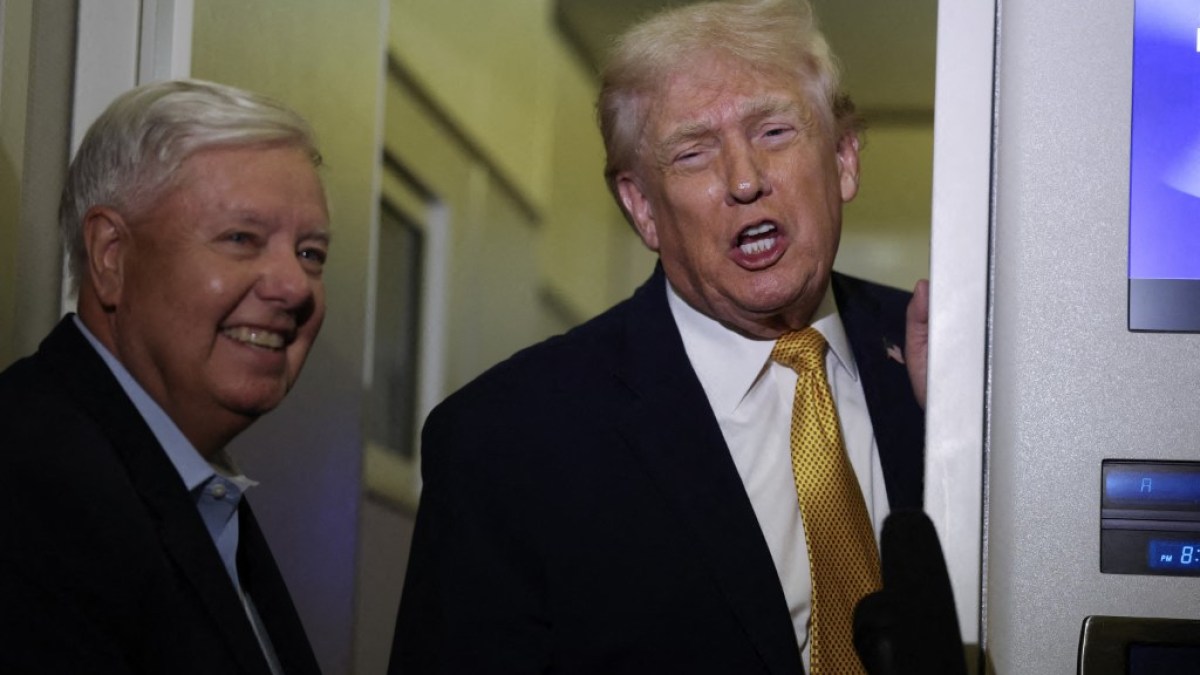
In public statements, leaders of both nations have suggested that they’re in no rush to compromise. US President Donald Trump has repeatedly claimed in recent days that Iran is “desperate” to cut a peace deal with Washington, but that he does not trust Tehran to stick to an agreement.
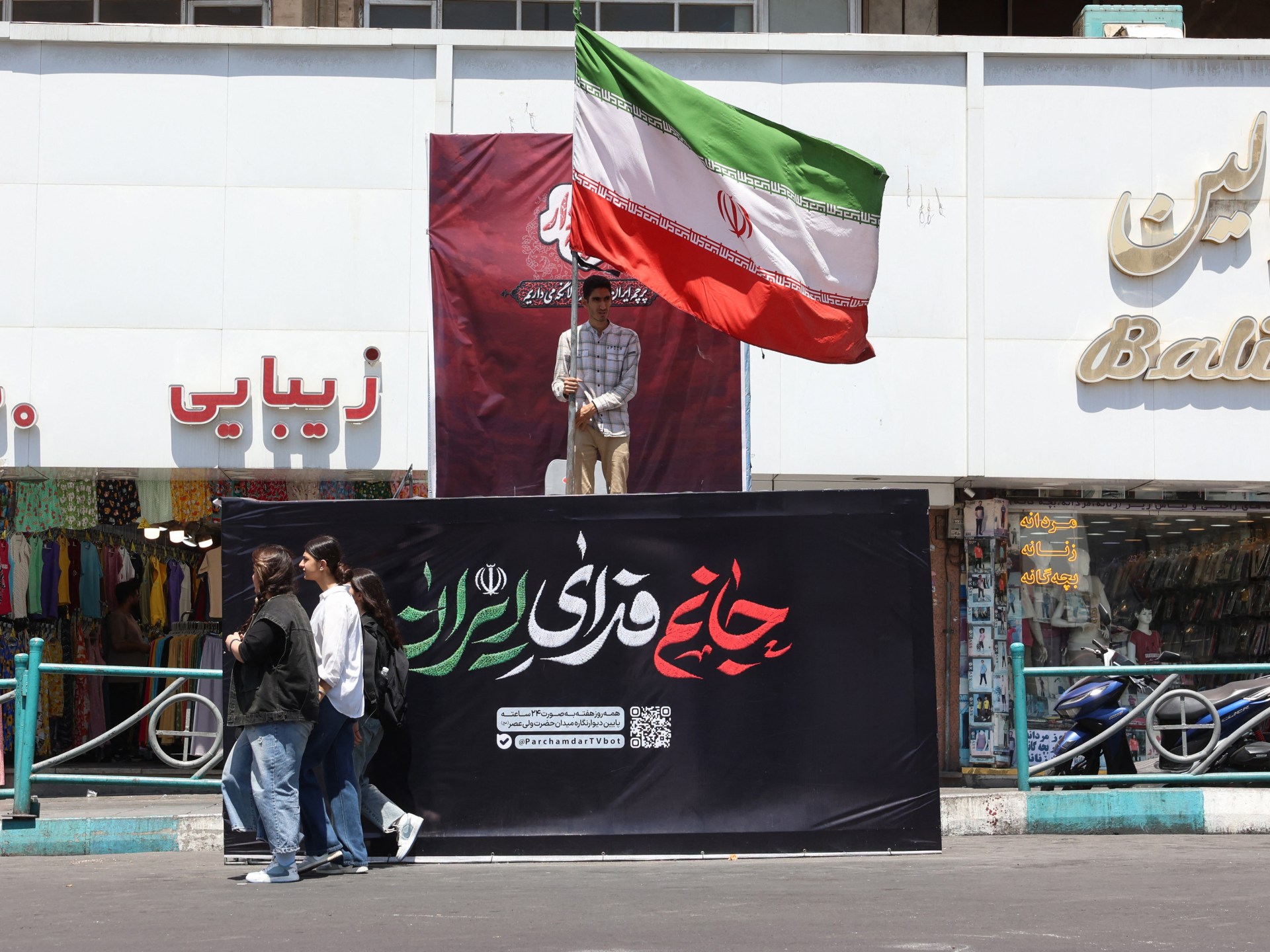
Iranian officials, on the other hand, have maintained a defiant tone. Lead negotiator Mohammed Bagher Ghalibaf said on Wednesday that Iran was “in an existential war with America” and had no reason to continue adhering to the peace agreement.
But can either side actually afford to keep the months-long war going?
Here’s what we know about how economic and political pressures could limit both countries from escalating the conflict into another full-scale war:

For Tehran, battered economy and battered defences
Iran’s economy has been severly stressed, not just from the US-Israel war, but also as a result of decades of US sanctions on the country. Although still powerful, its military infrastructure has also suffered much damage.
Advertisement
Economic sanctions
Iran is one of the most heavily sanctioned countries in the world. US sanctions have squeezed oil exports, hindered access to global finance and frozen assets. Iran’s GDP per capita plummeted from $8,000 in 2012 to $5,000 in 2024, as a result. Oil exports dropped from 2.2 million barrels per day (bpd) in 2012 to 1.5 million bpd in 2025.
When both sides signed the MoU in June, the US called off its naval blockade, issued a 60-day sanctions waiver and promised to unfreeze Iran’s assets. The Iranian rial, which had plunged in value, rose by 15 percent on the day of the agreement. However, the US re-imposed sanctions on Iran this week, dealing a blow to the weakened economy.
Defence capabilities
Iran’s military, while continuing to aggressively strike back at US military installations in neighbouring Gulf countries, was severely degraded by US-Israeli strikes in the first phase of the war, according to analysis by the Center for Strategic and International Studies (CSIS).
By April 1, Iran had depleted 30 percent of its pre-war missile stockpile and 60 percent of its drone arsenal, CSIS notes. A significant portion of naval infrastructure has been targeted, including ports and naval vessels, while weapons production sites have been hit. The US claimed it significantly degraded Iran’s nuclear sites during the 12-day war in 2025.
Renewed US strikes since last week have kept up the pressure, pummelling military sites, including the strategic island of Greater Tunb on Thursday.
Regional diplomacy
Tehran’s relations with its Gulf neighbours, already strained when Iran struck them in March and April, are being further damaged by the current attacks and retaliatory strikes.
The US has military assets in at least 19 locations across the Middle East, including in Bahrain, Jordan, Kuwait, Qatar, Saudi Arabia and the United Arab Emirates. Iran has consistently claimed it is attacking US military assets, but Iranian strikes during the first phase of the war hit sovereign territory and caused civilian casualties.
Spurred by the conflict, Gulf countries are now tightening military cooperation by sharing data and coordinating warning systems.

For the US, oil prices, midterms and a looming weapons shortage
The US, too, has faced immense pressure in the war and has failed to force Tehran to capitulate, despite Trump’s boasts.
Surging oil prices
Crude prices surged by 12 percent following the latest wave of US attacks on Iran as concerns about transiting the Strait of Hormuz grew once more. Before the war, about a fifth of the world’s oil supply passed through the waterway, but Iran’s blockade on the strait has disrupted energy prices worldwide. Volatile prices are reflected at petrol stations across the US, where petrol went from $2.98 per gallon ($0.78 per litre) before the war to a peak of $4.63 ($1.22 per litre) in May.
Advertisement
Midterm elections
Increased pump prices, and the resulting increase in living expenses, in general, have contributed to making the US’s war on Iran highly unpopular among Americans. A majority, 57 percent, believed it was the wrong decision by the Trump administration, according to a YouGov poll this week. The war looms uncomfortably over Republicans as midterm elections approach in November, when the party risks losing its congressional majority. Some polls already show Democrats securing a small lead.
Weapons shortage
US weapons stockpiles are also running low, although they have not reached a critical level yet, according to CSIS.
The US has focused on striking Iran with seven of its most powerful – and most expensive – munitions. At least four of those saw half of their stockpiles depleted in the first phase of the war. Replenishing them, analysts point out, could take between several months and several years, even with Trump’s recent Defense Production Act compelling private arms manufacturers to boost production.
Importantly, aside from racking up billions in weapons costs, the US has also suffered the loss of 14 US soldiers, with another 414 of them wounded by July 14 according to analysis by the Center for American Progress.
Will both sides step back based on these challenges?
Alam Saleh, professor at the Australian National University, told Al Jazeera that while economic pressures and regional diplomacy might be valid concerns for Tehran, the country’s leadership ultimately sees itself as fighting an existential war and is unlikely to bow.
“Iran’s economy relies on domestic production, and it’s somehow economically independent – it’s been through almost 47 years of sanctions,” Saleh said, noting that Tehran has long found ways to survive the sanctions.
Iran is also determined not to be perceived as weak by the US and cannot concede based on a weakened military posture, he added. Regarding weapons production, US media reported that Iran rapidly restarted drone production following the April ceasefire, with some analysts estimating that the country could fully replenish its drone arsenal in months.
“Therefore, Iran is not ready to do any deal unless it guarantees its security. No matter what economic pressures it faces, Iran will not compromise. There’s no choice but to resist,” Saleh said.
As for the US, analysts say that concerns about weapons stockpiles are not centred around the Iran war, but rather, around a potential future conflict with rival superpowers.
“It is clear that the burn rate of critical weapons, including Patriot missile interceptors and Tomahawk cruise missiles, has been prodigious,” Brian Finucane, security expert at the International Crisis Group, told Al Jazeera.
“These are weapons that might be needed for any military contingency with China,” for example, he added.
Ultimately, both sides have pressure points that make prolonged war costly, but the US, Saleh said, is suffering greater reputational damage.
“China and Russia are watching and seeing that the US cannot deal with Iran with whatever means possible. It shows the US military has limits in dealing with a middle power like Iran,” Saleh said.
Related News
‘There are risks’: Ex-India judge behind damning UN report on Gaza children
Two UK police officers face misconduct probe in Henry Nowak murder case

Election wins prove pro-Palestine US campus protests didn’t fail: Activists