
Ministry of Human Development hosts 2-day training on human trafficking with focus on children
 14 July 2026

BELMOPAN, Sun. July 12, 2026
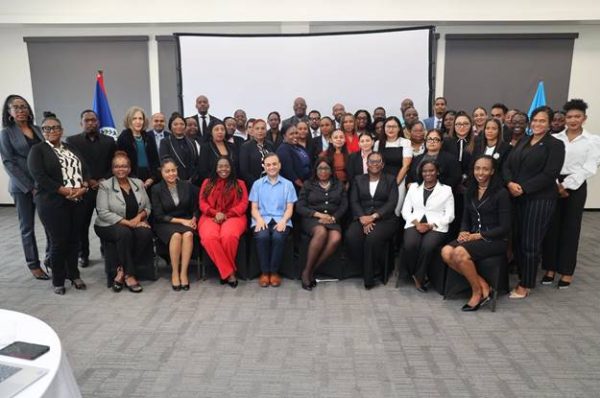
Belize has taken another step toward strengthening its child justice system, as members of the judiciary and other justice sector stakeholders gathered last week for a two-day training focused on child-centered justice, human trafficking, restorative justice, and diversion. The programme, held under the theme, “Promoting Child-Centered Justice: A Judicial Training on Trafficking in Persons, Restorative Justice, and Diversion,” was organized by the Ministry of Human Development, Family Support and Gender Affairs in collaboration with the Anti-Trafficking in Persons Council and the Child Justice Committee, with support from the Judicial Education Institute of the Senior Courts of Belize.
The initiative aimed to equip judicial officers with the knowledge and tools needed to better respond to cases involving children and victims of human trafficking, while promoting greater collaboration among agencies responsible for child protection and justice.
Delivering the keynote address, Chief Justice Louise Esther Blenman stressed that trafficking in persons remains a serious challenge both globally and within Belize, despite the country’s progress in strengthening its legal and institutional response. “Human trafficking presents a profound challenge to the rule of law. It is a crime that exploits vulnerability, strips individuals of their dignity and autonomy, and often leaves lasting physical, psychological, and social consequences for those affected,” Blenman said. “While Belize has made meaningful efforts to strengthen its response through legislative reform, specialized institutional mechanisms, enhanced investigative capacity, and increased attention to victim protection, there is yet more work that needs to be done.”
The first day of training focused on trafficking in persons, trauma-informed judicial practices, culturally competent adjudication, victim-centered approaches, and the role of judicial officers within Belize’s child justice system. National and international experts from Belize, Jamaica, and the United Kingdom helped to facilitate the sessions.
National Coordinator for the Anti-Trafficking in Persons Council, Jaunna Murillo Palacio said sustained training across multiple sectors has been key to improving Belize’s response to human trafficking, but emphasized that continued capacity building remains essential. “There’s need for public awareness, but the training is significantly important so that we can increase capacity for everyone to be able to identify signs of trafficking in persons, and how to investigate and how to prosecute,” Murillo Palacio said.
Also addressing participants was Caribbean trafficking consultant Dr. Cherisse Francis, who underscored the importance of ensuring that judicial officers understand the broader impact their decisions have on the lives of children and vulnerable persons. “It’s important for judicial officers to have the knowledge to understand that it’s not just about applying the law strictly, but understanding how it impacts people,” Francis said.
The second day of the programme examined restorative justice, diversion frameworks, child interaction policies, and practical exercises designed to strengthen judicial decision-making and coordination among justice sector agencies.
Organizers say the training formed part of Belize’s ongoing efforts to build a justice system that is trauma-informed, child-sensitive, and focused on protecting the rights and well-being of children who come into contact with the law, whether as victims, witnesses, or children in conflict with the law.
Related News
Bryan Broadens AG Request on Election Law as McClafferty Challenges Disqualification
Government Seeks $1.2 Million in Rent Arrears From 198 Property Tenants

VI National Guard Exits Federal Oversight After Six Years of Transformation