
India begins world’s largest population census
 01 April 2026
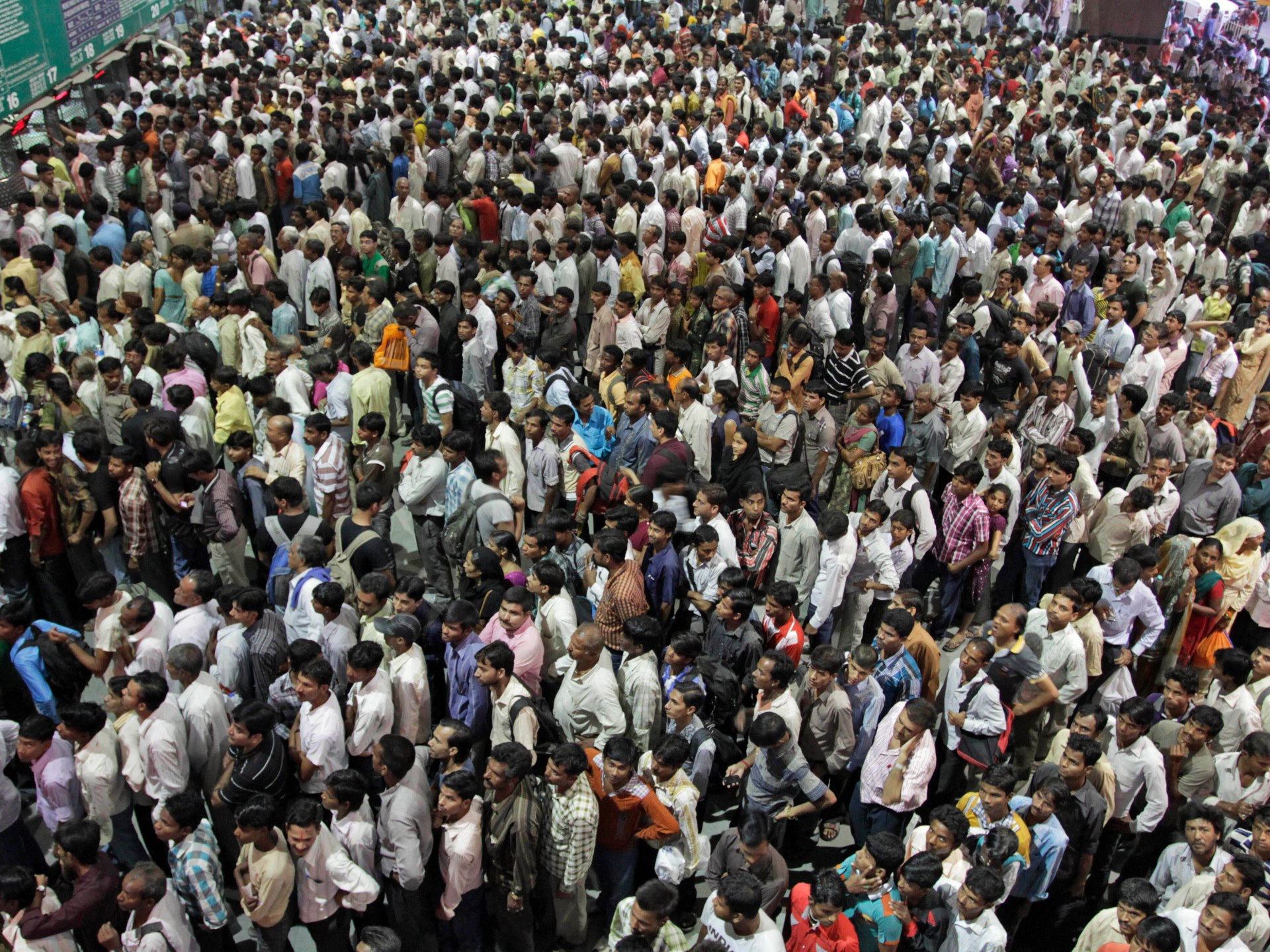

More than three million officials in India have begun the world’s largest national population count, in a yearlong process that could reshape welfare programmes and political representation across the country.
The census, which was delayed in part by the COVID-19 pandemic, began on Wednesday and will end by March 31 next year.
- list 1 of 3India’s language war: Why is Hindi sparking a north-south divide?
- list 2 of 3As hate spirals in India, Hindu extremists turn to Christian targets
- list 3 of 3Protest in India over cooking gas crisis
end of list
Census workers will first spend about a month collecting information from homes and will document housing stock and living conditions.
Information will be collected through in-person surveys and online, allowing residents to use a smartphone application.
A second phase of the counting will be conducted from September, during which more detailed information, such as people’s social and economic characteristics, including religion and caste, will be surveyed.
Caste is an ancient system of social hierarchy in India and is influential in defining social standing and deciding who gets access to resources, education and economic opportunity.
There are hundreds of caste groups based on occupation and economic status across India, particularly among Hindus, but the country has limited or outdated data on how many people belong to them.
Successive governments have resisted conducting a full caste count, arguing it could heighten social tensions and trigger unrest.
Population data collected through the census underpins the distribution of government welfare programmes and a wide range of public policies.
It could also prompt a redrawing of India’s political map, as seats in the lower house of parliament and state legislatures may be increased to reflect population growth.
Advertisement
A 2023 law reserves one-third of legislative seats for women, so any expansion would raise the number of seats set aside for female representatives.
Supporters have stressed the need for data on those deserving government assistance, while critics say caste has no place in a country with ambitions of becoming a key world power.
The last attempt to gather detailed caste information through a census dates to 1931, during British colonial rule.
Since independent India’s first census in 1951, it counted only Dalits and Adivasis, members of marginalised groups known as scheduled castes and scheduled tribes.
The previous census conducted in India was in 2011 and recorded a population of 1.21 billion. It is now estimated to be more than 1.4 billion, making India the world’s most populous nation.
India overtook China in 2023, according to the United Nations Population Fund.

Related News

North Korea’s Kim meets Lukashenko, slams ‘pressure on Belarus from West’
Pakistan secures Iran deal to send 20 ships through Strait of Hormuz

US judge weighs Trump decision to bar Venezuelan funds for Maduro’s defence