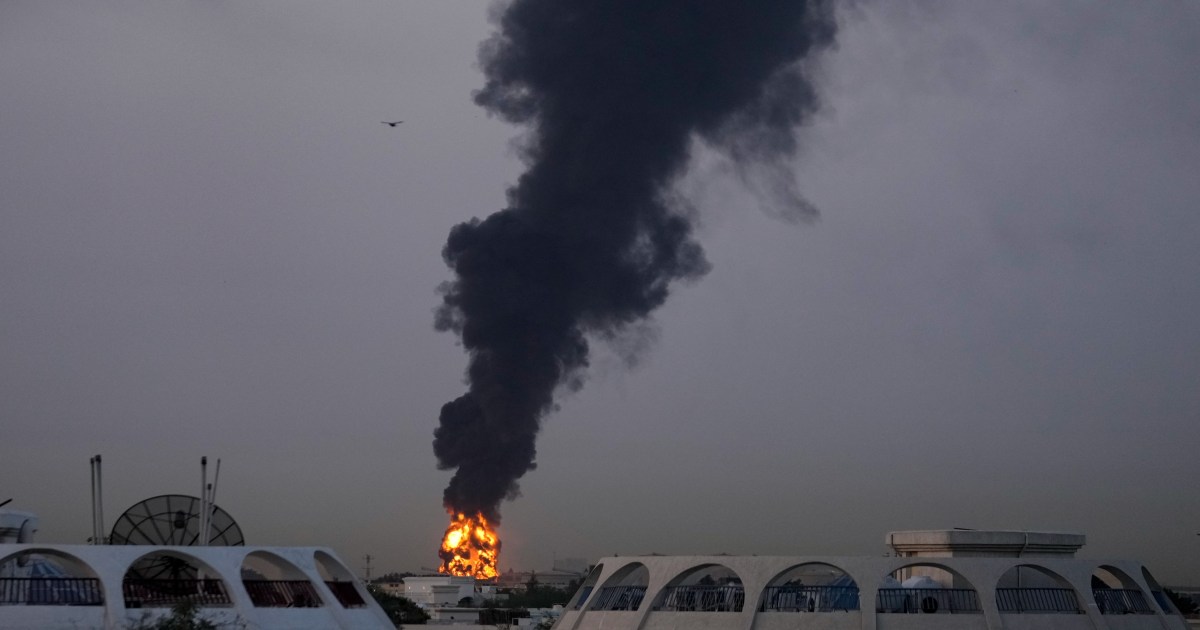
Many killed, wounded after blasts hit Nigeria’s Maiduguri, witnesses say
 16 March 2026
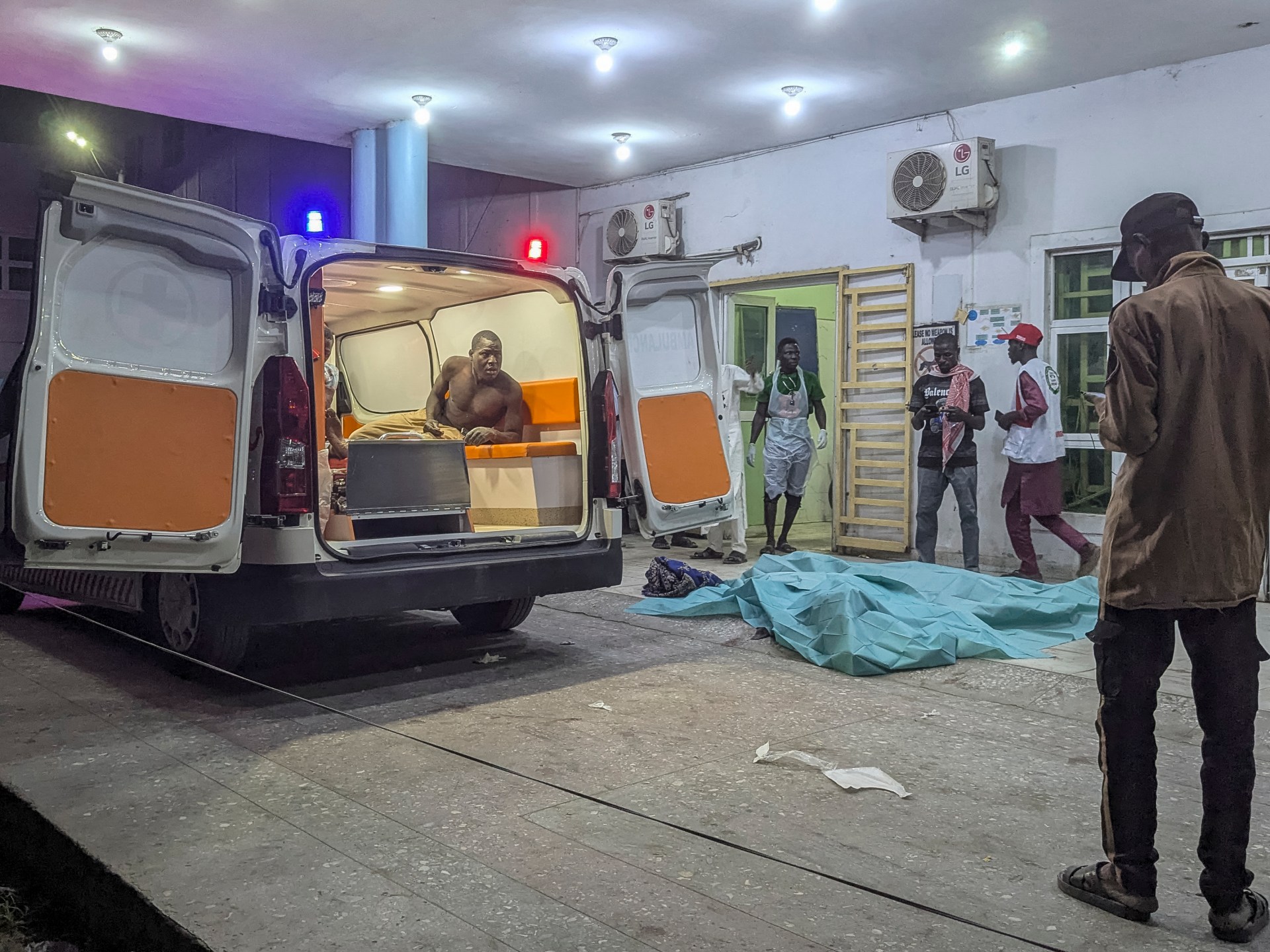

Multiple blasts have struck Nigeria’s northeastern city of Maiduguri, killing and wounding dozens of people, according to witnesses, with police deploying explosives’ clearance teams to three locations following several “suspected suicide bomb events”.
The blasts occurred on Monday at the entrance of the University of Maiduguri Teaching Hospital and two local markets, known as Post Office and Monday Market, according to Sirajo Abdullahi, the head of operations at Nigeria’s National Emergency Management Agency (NEMA) in Maiduguri.
- list 1 of 4As Khamenei’s son steps in, Nigerian Shias mourn Iran’s old supreme leader
- list 2 of 4How badly has the Iran war hit the global economy? The tell-tale signs
- list 3 of 4US’s new scramble for Africa is biomedical imperialism
- list 4 of 4Which countries have seen the highest petrol prices since the Iran war?
end of list
“There are casualties, and they are still managing the casualties at the hospital,” Abdullahi told The Associated Press (AP) news agency. “We can’t give the actual figure until we count.”
No group has yet claimed responsibility for the suspected bombings.
The attacks in Maiduguri, the capital of Borno State, come as Nigeria battles a complex security crisis involving different armed groups in the north of the country.
Boko Haram and the ISIL affiliate in West Africa Province (ISWAP) group have carried out several attacks against army bases across Borno this month, killing a number of troops and seizing weapons.
The Nigerian military said in a statement earlier that it had repelled attacks by suspected fighters in the early hours of Monday on the outskirts of Maiduguri.
Borno State Governor Babagana Zulum condemned the apparent bombings and said that “the recent surge in attacks is not unconnected with intense military operations in the Sambisa forest”, a known stronghold of armed groups.
Advertisement
“My thoughts and prayers are with the families of the victims and those injured as a result of the blast. The act is utterly condemnable, barbaric and inhumane,” Zulum said.
Borno State’s police spokesperson, Nahum Daso Kenneth, said security operatives and emergency responders were deployed following reports of the blasts.
“Residents are advised to remain calm and avoid the area while assessments continue,” he said.
Bagoni Alkali, who witnessed one of the blasts, told the AP that he brought wounded people to the hospital for emergency treatment.
“Right now, over 200 people have been injured and are receiving care in the accident and emergency department,” Alkali said.
“While I could tell you so many people have died, to be honest, many lost their lives at the scene immediately after the bomb exploded. It’s disheartening,” he added.
Mohammed Hassan, a member of a volunteer group that often assists security forces in the conflict, said he evacuated 10 bodies from the markets.
“Many victims were rushed to the emergency ward, but some died at the hospital. We’re in dire need of blood,” he told the AP. “This attack’s been one of the deadliest in Maiduguri in years.”
Maiduguri, once the scene of daily shootings and bombings, had been relatively calm in recent years, with attacks peaking in the mid-2010s.
The last major attack dates back to 2021, when Boko Haram fighters fired mortars at the city, killing 10 people. But in December, an unclaimed bombing killed at least seven people in a city mosque.
And in the countryside surrounding Maiduguri, violence has continued.
Last week, the army confirmed “coordinated attacks” on several military bases in the northeast, which killed at least 14 people, including 10 soldiers, according to local civilian and military sources.
Last month, the United States began deploying troops to Nigeria to provide technical and training support to the country’s soldiers in fighting armed groups.
US Africa Command (AFRICOM) said 200 troops were expected to join the deployment overall.
AFRICOM also conducted air attacks on the northern state of Sokoto in December, in coordination with Nigerian authorities.
Nigeria expanded security cooperation with Washington after US President Donald Trump accused the country last year of failing to protect Christians.
Authorities, however, denied that there is systematic persecution of Christians, while independent experts say Nigeria’s security crises affect both Christians and Muslims, often without distinction.
Advertisement
Related News
Why are the US and Israel framing the ongoing conflict as a religious war?
IEA proposes release of 400m barrels of oil from strategic reserves
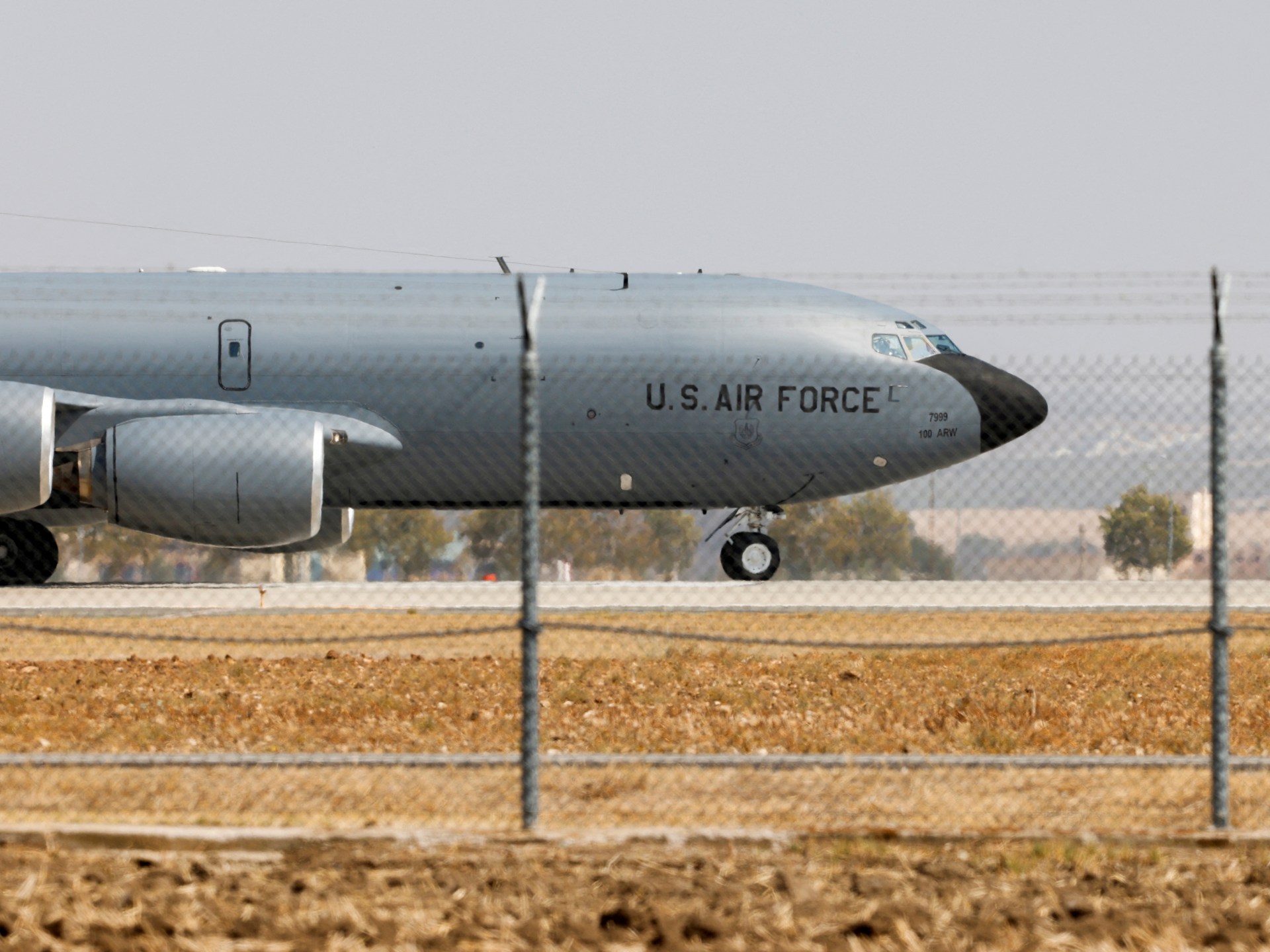
Spain refuses to let US use bases for Iran attacks