Iran’s Araghchi slams European powers for ‘irrelevance’ in nuclear talks
 15 February 2026
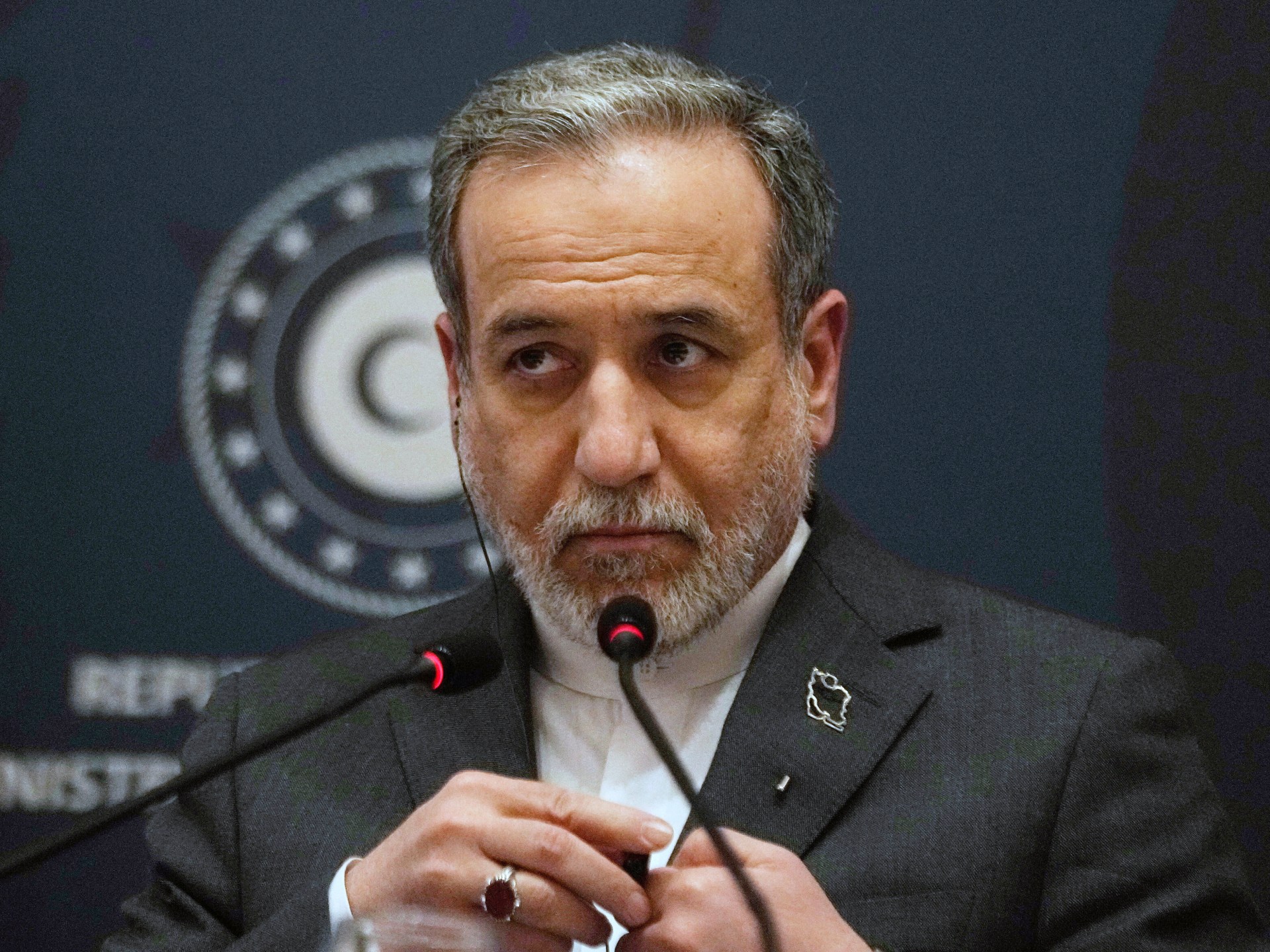

Iranian Foreign Minister Abbas Araghchi has derided the Munich Security Conference as a “circus”, accusing European powers of “paralysis and irrelevance” in efforts to revive nuclear negotiations with the United States.
Iranian officials were not invited to the annual security meeting in the German city, and the top Iranian diplomat made the remarks in a post on X on Sunday, two days before Iranian and US officials are to hold talks in Geneva, Switzerland.
- list 1 of 3Iran’s triple crisis is reshaping daily life
- list 2 of 3Mapping Iran’s most significant strikes on Israel
- list 3 of 3UN sanctions “exacerbate” Iran’s economic situation
end of list
“Sad to see the usually serious Munich Security Conference turned into the ‘Munich Circus’ when it comes to Iran,” Araghchi wrote on X. “The paralysis and irrelevance of the EU/E3 is displayed in the dynamics surrounding the current talks over Iran’s nuclear program. … Once a key interlocutor, Europe is now nowhere to be seen. Instead, our friends in the region [the Gulf] are far more effective and helpful than an empty-handed and peripheral E3.”
The E3 – which included France, the United Kingdom and Germany – were key players in the previous round of nuclear negotiations between world powers and Iran. That process culminated in 2015 with the Joint Comprehensive Plan of Action, a landmark agreement aimed at limiting the scope of Iran’s nuclear programme in exchange for sanctions relief.
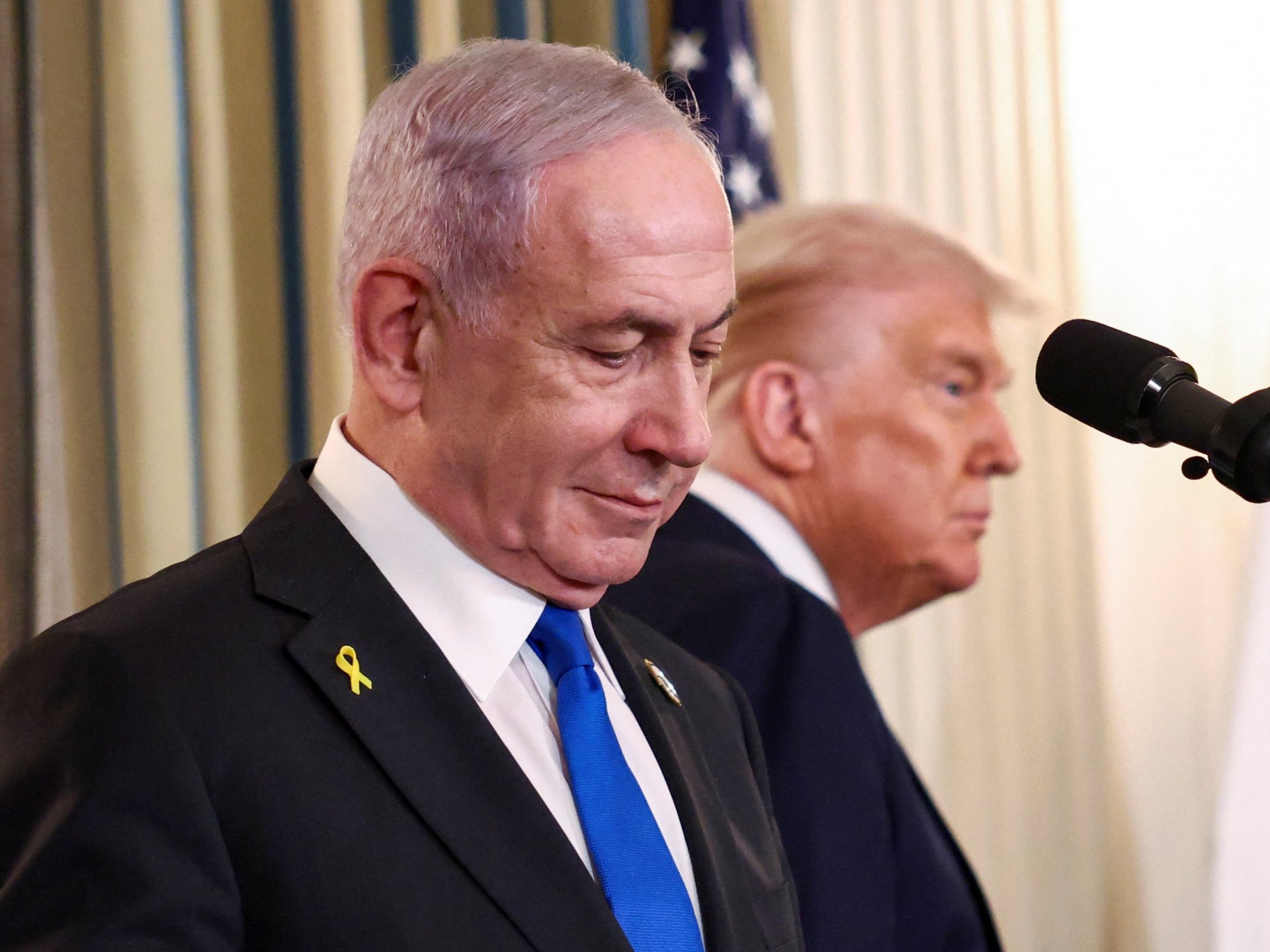
The US under the first administration of President Donald Trump withdrew from the deal in 2018 and ramped up sanctions on Iran. Since then, the process has largely stalled. Still, the E3 maintained a role as a go-between with Tehran and Washington.
Advertisement
But since negotiations resumed last year, Gulf countries, such as Oman and Qatar, have taken the lead in facilitating talks between the US and Iran.
Araghchi’s comments “indicate a policy shift from the Iranian side that the E3 mechanism … is no longer a valid channel for resolution”, said Abas Aslani, a senior research fellow at the Center for Middle East Strategic Studies. “This nuclear mediation has moved from Europe to the region, and now the heavy lifting in diplomacy is done by regional players.”
On Tuesday, Oman is to host talks between the US and Iran in Geneva after previous indirect negotiations in Muscat on February 6. Those talks were attended by US envoy Steve Witkoff and Trump’s son-in-law Jared Kushner.
US and Iranian officials previously held several rounds of talks in the Omani capital to discuss Iran’s nuclear programme last year. But that process was halted as Israel launched a 12-day war with Iran in June, which the US briefly joined by bombing three Iranian nuclear facilities.
The new rounds of negotiations come as tensions in the region remain high with Trump moving more US military assets to the Middle East. On Friday, Trump said he was sending a second aircraft carrier to the region while openly talking about a change in Iran’s government.
Despite the new push for diplomacy, the two sides have maintained their positions. Iran has shown flexibility in discussing its nuclear programme, but the US wants to widen the talks to include Iran’s ballistic missiles and its support for regional armed groups – two issues that Tehran says are nonnegotiable.
Related News
A Palestinian cancer patient stuck in Egypt for two years returns to Gaza
Palestine urges ‘powerful partners’ to stop Israel’s West Bank ‘annexation’

‘False narrative’: Families challenge Trump’s 75-country US visa suspension