
DEI Rollbacks Cast A Long Shadow As Super Bowl 2026 Ads Showcase Diversity — With Limits
 10 February 2026


By News Americas, NEW YORK, NY, Feb. 2026: More than a year after the Trump administration moved aggressively to dismantle diversity, equity, and inclusion (DEI) initiatives across federal agencies and publicly criticized corporate and cultural efforts tied to racial equity, the Super Bowl 2026 ads unfolded as a revealing moment in America’s ongoing debate over representation, culture, and belonging.
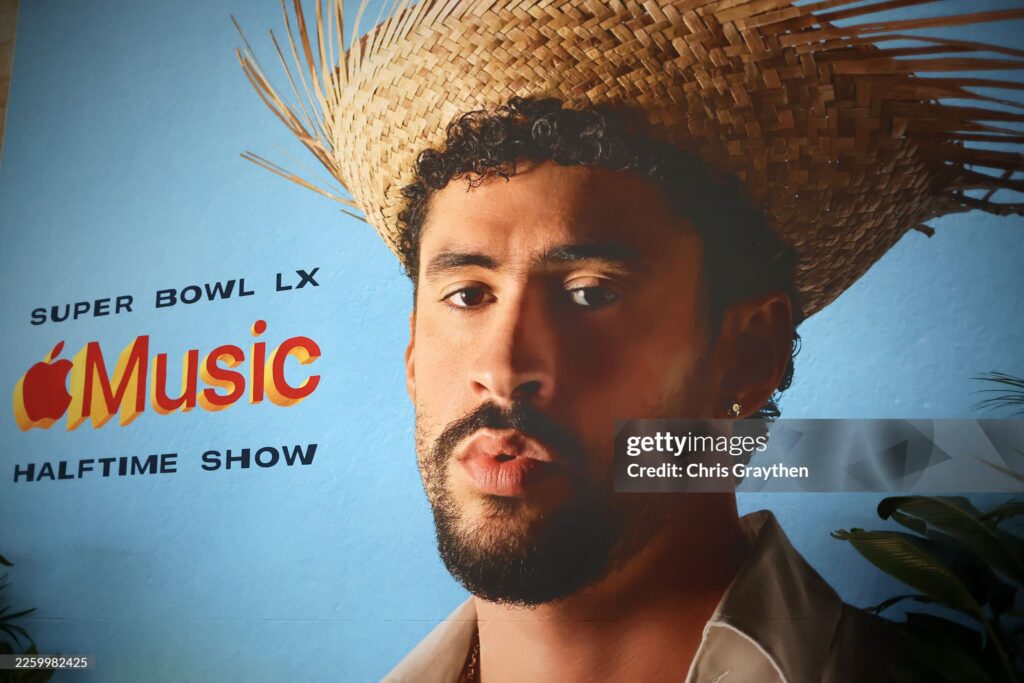
On the surface, Super Bowl 2026 reflected progress. According to new data from market research firm Zappi, 68% of national Super Bowl advertisements visibly featured multiple racial or ethnic groups, a notable increase from 57% the previous year. In more than a quarter of the ads, characters from historically underrepresented communities were not just present, but central to the narrative – speaking, driving the action, or occupying the visual center of the story.
Yet, beneath those gains, familiar limitations remained.

Celebrity casting in Super Bowl commercials continued to skew overwhelmingly white. Of the 103 celebrities appearing in ads this year, at least 60 were white, according to counts by industry publication ADWEEK. Meanwhile, LGBTQ+ representation declined for the second consecutive year, with just five ads explicitly featuring LGBTQ talent — all of whom were already publicly out celebrities — and no transgender representation for the third straight year.
The contrast illustrated a broader tension playing out across American institutions: representation is expanding, but cautiously, even as political pressure mounts against DEI frameworks.
That pressure has been particularly pronounced since Donald Trump returned to office as President, pledging to eliminate what he has called “woke ideology” from government and public life. Over the past year, his administration has rolled back DEI programs, challenged diversity-based hiring initiatives, and supported efforts to limit the teaching of Black history and race-related topics in public institutions.
Against that backdrop, the Super Bowl – long viewed as both a commercial showcase and cultural barometer — became an unintended mirror of the moment.
Several of the most effective ads this year leaned into multicultural storytelling. Campaigns from Dove, Rocket Mortgage, the NFL, Volkswagen, Toyota, and Novo Nordisk ranked 8% above average in sales impact, according to Zappi, reinforcing research that inclusive representation resonates with broad audiences. Rocket Mortgage’s “America Needs Neighbors,” for example, depicted a Latino family and a white family building community, while Levi’s featured a diverse cast that included K-pop star Rosé and rapper Doechii.
Still, the reliance on white celebrity faces for marquee roles suggested that brands remain cautious, balancing inclusion with perceived commercial safety.
Beyond advertising, the Super Bowl’s cultural reach extended onto the field and the halftime stage.
Players with immigrant and Caribbean roots featured prominently in the game, reflecting demographic realities often absent from political discourse. The half-time show, headlined by Puerto Rican superstar Bad Bunny, placed Spanish-language music and Latin and Caribbean culture at the center of one of the most-watched broadcasts in the world – a moment that sparked both celebration and backlash.
For supporters, the performance reflected an America that is multilingual, multicultural, and shaped by immigration. For critics, it became another flashpoint in debates over national identity and cultural change.
Industry observers note that this dual reaction is not new, but it is increasingly visible. “Brands are responding to a society that is more diverse than ever, while navigating a political climate that is openly skeptical of diversity efforts,” said one advertising analyst familiar with the Zappi research. “The Super Bowl shows both impulses at once.”
The decline in LGBTQ+ visibility further underscored that progress is uneven. GLAAD reported that while some brands continue to feature queer talent, many appear to be pulling back amid heightened political scrutiny and social backlash.
Taken together, Super Bowl 2026 did not signal a reversal of diversity, but neither did it mark a decisive break from old patterns. Instead, it offered a snapshot of a country negotiating who is seen, who is centered, and how far representation is allowed to go during moments of mass cultural attention.
In a year defined by DEI retrenchment at the policy level, the Super Bowl showed that diversity has not disappeared from American storytelling – but it is advancing carefully, selectively, and under pressure.
For millions watching, the message was mixed but unmistakable: America’s cultural reality continues to push forward, even as the political debate over that reality intensifies.
Felicia J. Persaud is the founder and publisher of NewsAmericasNow.com, the only daily syndicated newswire and digital platform dedicated exclusively to Caribbean Diaspora and Black immigrant news
Related News
Caribbean American Congresswoman Shirley Chisholm’s Legacy Lives On In Brooklyn’s Litt...

Former Turks and Caicos Premier Michael Misick Found Guilty In $20M Corruption Case

Voices Of The Super Bowl: When Language Makes Us Uncomfortable