“Papers, Please”: Immigration Attorney Says Legal Status No Longer Guarantees Security
 23 January 2026

Lasted updated at 9:23 a.m. on Tues. Jan. 20., 2026.

Amid changes to federal immigration and travel policies under the Trump administration, Florida-based immigration attorney Tamika Jude is advising non-citizens and mixed-status families to think carefully about their travel and legal posture in the United States.
Jude, who was born in Dominica and is now a United States citizen, has longstanding ties to the U.S. Virgin Islands and represents clients navigating the American immigration system. She says her work over the past year has given her a firsthand view of how immigration proceedings and enforcement have shifted since President Donald Trump took office one year ago.
According to Jude, qualifying for asylum and other forms of immigration relief has become increasingly difficult. She pointed to an early removal of immigration judges who had been more inclined to grant relief, which she said altered the atmosphere within the courts. “Because of that, we believe that caused a sort of fear in the immigration judges that remained…they were afraid to make certain decisions out of wanting to keep their job security,” Jude observed.
She said that even in cases where judges are inclined to grant relief from detention, the financial burden has increased sharply. Immigration bonds, which must be paid in full once granted, have risen from a few thousand dollars to amounts ranging from $10,000 to $15,000, and sometimes higher. “Now we see a lot more people basically putting up their house as collateral for an immigration bond,” Jude said. She added that recovering those funds can take years because of bureaucratic delays. “If you're insistent, you might be able to recover funds. If you're not…a lot of times, a lot of people kind of just forget about it,” she noted.
Jude said the tougher posture in immigration court is compounded by the increasing use of prior law enforcement contact as a trigger for immigration enforcement, even when criminal cases ended without convictions. She described clients who were arrested but later acquitted or had charges dismissed, only to find themselves placed in immigration proceedings. “I recently spoke to somebody who was arrested for not having a valid driver's license. Turns out that person did have a valid driver's license. The judge in the criminal case dismissed the case…he was not supposed to be arrested at all. Can you believe that man is still in immigration detention today?”
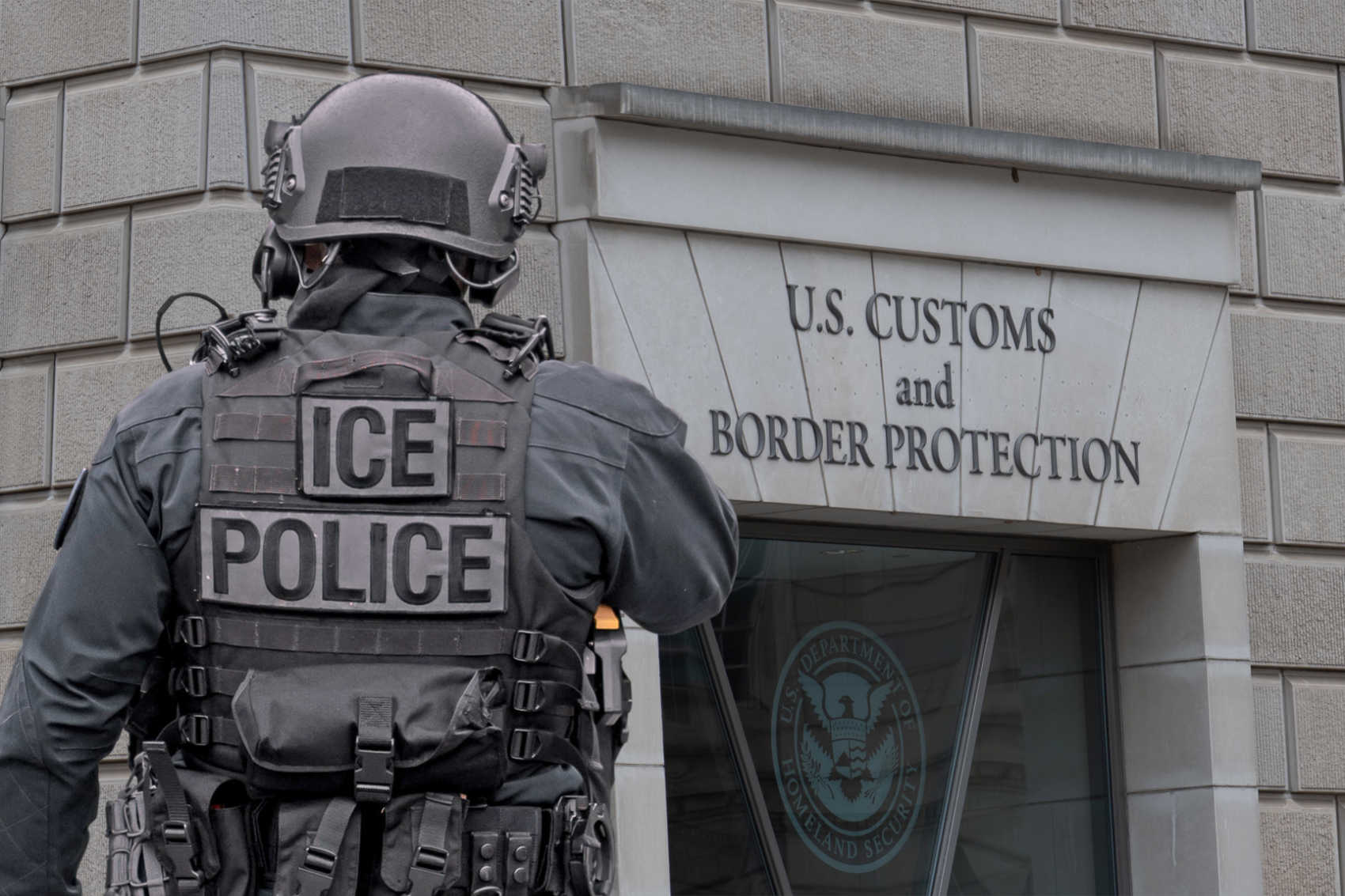
She warned that once an individual enters a county jail system, immigration consequences can follow quickly. “Once you make it to the county jail, if you are undocumented or an overstay, even if your case is pending, they know that they have to notify ICE that they picked you up. Once you notify ICE, you're not going home,” Jude said.
While national attention has focused on Minnesota and other areas where federal immigration authorities have conducted high-profile operations, Jude said enforcement activity is occurring across the country. She noted that individuals perceived as outsiders, based on appearance or accent, may face scrutiny regardless of their legal status.
Jude recounted a case involving an American citizen raised in the Caribbean who was detained by immigration authorities despite asserting his citizenship. “He said that he was a citizen and they would not believe him. They kept him in that detention center until his family was able to come with the birth certificate and the passport,” she said.
She cautioned that similar situations could affect native-born Virgin Islanders. Jude explained that naturalized citizens are often easier for authorities to verify because their fingerprints are already in federal systems. “If you're a naturalized citizen, your fingerprints are in the system…so it's easier for them to verify that you're a citizen,” she said. By contrast, people born in the United States may not appear in immigration databases unless they have previously filed petitions. “Unless you file a petition for somebody, your name would not be in their system.”
Jude noted that many Americans do not have passports or immediate access to birth certificates, which can complicate verification during enforcement encounters. She also pointed to instances in Texas where Hispanic residents have faced challenges from immigration officials who questioned the authenticity of their birth certificates.
To reduce the risk of extended detention while citizenship is confirmed, Jude advised preparation. “It is very important for natural-born citizens to ensure that they have…some sort of evidence of your U.S. citizenship,” she said.
“If you don't have a U.S. passport, I would recommend everybody gets a copy of their birth certificate. Even if it's a photocopy, just fold and put in your wallet, ensure that you have it,” Jude advised. She added that immigration officials on the mainland may have difficulty distinguishing a Virgin Islands accent from that of other Caribbean nations.
Naturalized citizens, Jude said, must also be alert to renewed federal efforts targeting denaturalization. She pointed to a directive issued last December instructing U.S. Citizenship and Immigration Services to pursue between 100 and 200 denaturalizations per month beginning in 2026 — a sharp increase compared to roughly 170 cases during President Trump’s entire first term. Traditionally, denaturalization cases involve fraud in the original citizenship application. Jude expressed concern that the criteria could be expanded to meet the new quotas.
These developments, she said, have forced immigration attorneys to rethink what success looks like for their clients. “Voluntary departure is immigration relief,” Jude said. “It's something that prevents you from getting a deportation order….A win back then may have looked like an asylum grant, a win right now looks like a voluntary departure.”

She said the shift reflects a broader change in the federal government’s approach to immigration enforcement. In her view, the contrast between past ideals and present practice is stark. The Statue of Liberty’s promise to the world’s “huddled masses yearning to breathe free,” Jude suggested, has given way in 2026 to a far more transactional encounter: “Papers, please.”